Healthy Snacks for Productivity That Actually Work
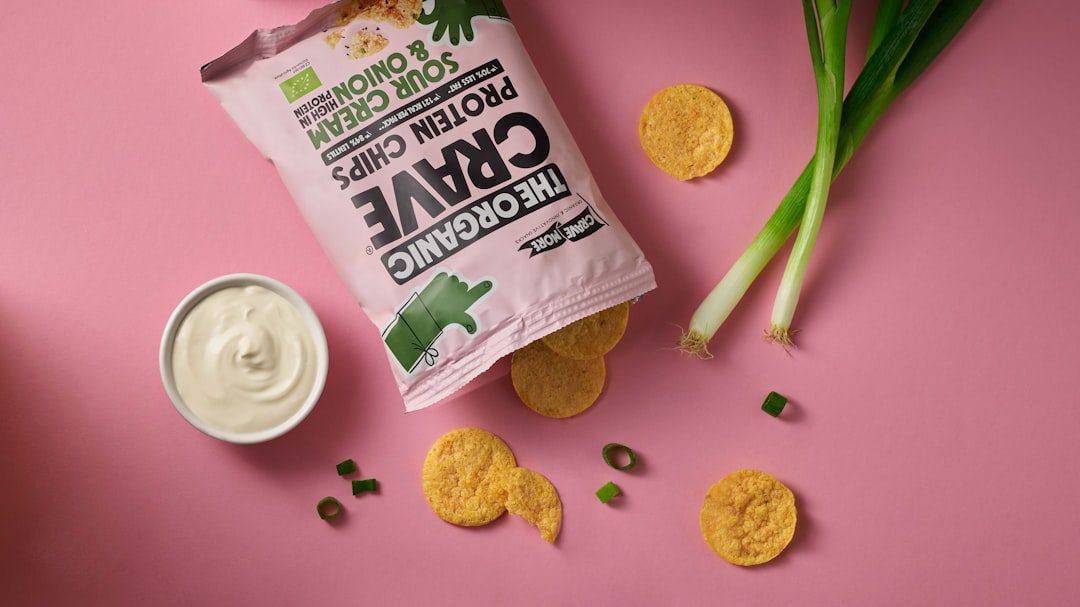
Your 2 PM slump is not a willpower problem. It is a fuel problem. Choosing the right healthy snacks for productivity can mean the difference between a sharp, focused afternoon and one spent staring blankly at your screen. The food you reach for between meals directly influences your energy, concentration, and even your mood. In this guide, we break down exactly which snacks to keep on your desk, why they work, and how to build a smarter snacking habit that fits a busy professional’s life.
Why Snacking Strategically Boosts Your Performance
Most professionals think about productivity in terms of tools, systems, and schedules. However, what you eat is one of the most overlooked performance levers available to you.
Your brain accounts for roughly 20% of your body’s total energy consumption. It runs almost exclusively on glucose. When your blood sugar dips, so does your cognitive performance — and that affects everything from decision-making to creative thinking.
Strategic snacking keeps blood glucose stable. It prevents the sharp spikes and crashes caused by high-sugar, low-nutrient foods. According to Harvard Health Publishing, diet quality has a direct and measurable effect on brain function and mental health.
The goal is simple: choose snacks that provide sustained energy, not a short burst followed by a crash.
The Science Behind Healthy Snacks for Productivity
Not all snacks are created equal. Understanding the nutritional logic behind your choices helps you make better decisions on the fly.
Macronutrients That Matter for Focus
Three macronutrients play a starring role in cognitive performance:
- Complex carbohydrates: These release glucose slowly. They give your brain a steady fuel supply rather than a sharp spike. Think oats, whole grain crackers, and fruit.
- Protein: Protein supports the production of neurotransmitters like dopamine and norepinephrine. Both are critical for focus and motivation. Eggs, Greek yogurt, and nuts are excellent sources.
- Healthy fats: The brain is about 60% fat. Omega-3 fatty acids, found in walnuts and fatty fish, support memory, learning, and mood regulation.
What to Avoid
Equally important is knowing what not to eat when you need to perform. Avoid these common traps:
- Sugary granola bars with more than 10g of added sugar
- Ultra-processed chips and crackers with little nutritional value
- High-caffeine energy drinks that spike and then crash your system
- Large, heavy snacks that divert blood flow to digestion
Furthermore, skipping snacks entirely when you are hungry is just as damaging. Working in a state of low blood sugar impairs judgment and increases irritability.
The Best Healthy Snacks for Productivity in 2026
These are not generic recommendations. Each snack below is backed by nutritional logic and practical for a busy workday.
1. Almonds and Mixed Nuts
Why they work: Almonds are rich in magnesium, vitamin E, and healthy fats. Magnesium plays a key role in converting food into energy. A small handful — about 23 almonds — provides roughly 6g of protein and 14g of healthy fat.
Moreover, nuts are portable and require zero preparation. Keep a small jar on your desk and you will always have a reliable option within reach.
2. Greek Yogurt with Berries
Why it works: Greek yogurt delivers a powerful protein punch — up to 17g per serving. Berries add antioxidants and a modest amount of natural sugar for quick glucose. Together, they create a balanced, brain-friendly snack.
In addition, the probiotics in Greek yogurt support gut health. Recent research continues to strengthen the gut-brain connection, suggesting that a healthy microbiome positively affects mood and cognitive clarity.
3. Apple Slices with Almond Butter
Why it works: Apples provide fiber and natural fructose for a gentle glucose lift. Almond butter adds protein and fat, which slow digestion and extend that energy. This combination is one of the most effective healthy snacks for productivity because it hits all three macronutrient bases in one go.
Prepare a small container the night before and grab it on your way out. It keeps well for several hours.
4. Hard-Boiled Eggs
Why they work: Eggs contain choline, a nutrient essential for the production of acetylcholine — a neurotransmitter that regulates memory and muscle control. Two hard-boiled eggs provide about 12g of high-quality protein with minimal carbohydrates.
Therefore, eggs are an ideal snack when you need sustained focus without a blood sugar spike. Batch-cook six at the start of the week and keep them refrigerated for easy access.
5. Dark Chocolate (70%+ Cacao)
Why it works: A small square of dark chocolate (roughly 1 oz) contains flavonoids that increase blood flow to the brain. It also delivers a modest caffeine boost without the jitteriness of coffee.
Of course, moderation is key. Stick to 1–2 squares as a mid-afternoon pick-me-up rather than a full bar.
6. Hummus and Veggie Sticks
Why it works: Hummus is made from chickpeas, which are rich in complex carbohydrates, protein, and fiber. Pair it with carrots, celery, or cucumber for a crunchy, satisfying snack that won’t spike your blood sugar.
In fact, the act of chewing crunchy foods has been linked to mild increases in alertness — an added bonus during a long workday.
7. Walnuts
Why they work: Walnuts are uniquely high in alpha-linolenic acid (ALA), a plant-based omega-3 fatty acid. Research consistently links omega-3 intake to improved cognitive performance and reduced mental fatigue.
A quarter-cup serving provides about 4g of protein and 18g of fat, predominantly the healthy unsaturated kind. Most importantly, they require no refrigeration — making them ideal for travel or desk snacking.
How to Build a Productive Snacking Routine
Having the right snacks available is only half the battle. Building a consistent routine ensures you actually use them to your advantage.
The 10 AM and 3 PM Strategy
Most professionals eat breakfast around 7–8 AM and lunch around noon. By 10 AM, blood sugar often begins to dip slightly. By 3 PM, the post-lunch crash sets in. These are your two prime snacking windows.
Follow this simple framework:
- 10 AM snack: Protein-forward. Think a hard-boiled egg, a small handful of almonds, or Greek yogurt. This bridges the gap to lunch without overfilling you.
- 3 PM snack: Balanced. Choose something with carbohydrates, fat, and protein — like apple slices with almond butter or hummus with veggie sticks. This combats the afternoon slump directly.
Prep Ahead to Remove Friction
Decision fatigue is real. When you are already tired and hungry, you are far less likely to make a good snack choice if it requires effort. Therefore, preparation is everything.
Try these practical prep habits:
- Portion nuts into small reusable containers on Sunday evening
- Batch-cook hard-boiled eggs at the start of each week
- Pre-cut veggie sticks and store them in water to keep them crisp
- Keep a non-perishable backup (walnuts, dark chocolate) in your desk drawer
Building this habit pairs well with a broader approach to daily optimization. If you want to go deeper on habit formation, check out our guide on how to build good habits that actually stick — the same principles apply here.
Healthy Snacks for Productivity While Working From Home
Remote work creates a unique snacking challenge. The kitchen is always nearby. Temptation is constant. Many remote professionals find themselves mindlessly grazing rather than snacking intentionally.
Create a Designated Snack Zone
Set aside one shelf in your fridge and one area in your pantry exclusively for work snacks. This creates a mental boundary between “work fuel” and general household food. As a result, your brain starts to associate those specific foods with focus and performance.
Avoid Eating at Your Desk
Counterintuitively, taking even a five-minute break to eat your snack away from your screen improves the benefit. Mindful eating — even briefly — helps your body register satiety more accurately. Furthermore, it gives your eyes and mind a short reset, which actually increases focus when you return.
This connects closely to mindfulness practices more broadly. For a quick introduction to building that mental reset habit, take a look at mindfulness for beginners examples that actually work.
Quick-Reference: Snack Pairing Guide for Professionals
Different work demands call for different snacks. Here is a practical reference based on what you need in the moment:
- Need deep focus for writing or analysis? → Walnuts + dark chocolate. Omega-3s and flavonoids support sustained cognitive effort.
- Heading into a high-stakes meeting? → Greek yogurt with berries. Protein stabilizes mood and reduces cortisol spikes.
- Afternoon energy crash hitting hard? → Apple with almond butter. Natural sugars provide a quick lift; protein and fat extend it.
- Need to stay sharp during a long Zoom day? → Hummus and carrots. Easy to eat, satisfying, and won’t cause a post-snack slump.
- On the go between meetings? → Pre-portioned mixed nuts. No utensils, no refrigeration, no mess.
Common Mistakes That Kill Your Snacking Strategy
Even well-intentioned professionals make these snacking errors. Recognizing them is the first step to fixing them.
- Mistaking hunger for thirst: Dehydration often mimics hunger signals. Drink a full glass of water before reaching for a snack. If the urge passes, you were thirsty, not hungry.
- Eating “health-labeled” junk: Many products marketed as healthy — protein bars, granola clusters, flavored rice cakes — are loaded with added sugar and highly processed ingredients. Always read the label.
- Skipping snacks to “save calories”: This almost always backfires. By the time your next meal arrives, you are ravenous and far more likely to overeat or choose poor-quality food.
- Eating too much: Snacks should be 150–250 calories. Anything larger functions as a second meal and will trigger digestion-related fatigue.
- Relying only on caffeine: Coffee is not a snack. On an empty stomach, caffeine amplifies cortisol, increases anxiety, and can impair the very focus you are trying to improve.
Frequently Asked Questions
What are the best healthy snacks for productivity at work?
The best healthy snacks for productivity combine protein, healthy fat, and complex carbohydrates. Top choices include almonds, Greek yogurt with berries, apple slices with almond butter, hard-boiled eggs, and hummus with vegetables. These options stabilize blood sugar and sustain mental energy without causing a post-snack crash.
How often should you snack to stay productive?
Most professionals benefit from two strategic snack windows: one around 10 AM and one around 3 PM. These windows align with natural blood sugar dips that occur between meals. Snacking more frequently than every two to three hours is generally unnecessary and can interfere with hunger cues.
Can snacking actually improve focus and concentration?
Yes — when done correctly. Your brain requires a steady supply of glucose to function at its best. Nutrient-dense snacks prevent the cognitive decline associated with low blood sugar. Foods rich in omega-3 fatty acids, antioxidants, and choline have all been linked to improved memory, focus, and mood in published research.
Are energy bars a good snack for productivity?
It depends entirely on the bar. Many popular energy bars contain 20–30g of sugar, making them closer to candy bars than performance food. Look for bars with fewer than 10g of added sugar, at least 5g of protein, and a short ingredient list. Brands that use whole food ingredients — like dates, nuts, and seeds — are generally better choices.
What should I drink alongside my productivity snacks?
Water is always your best default. Even mild dehydration — as little as 1–2% of body weight — measurably impairs cognitive performance. Green tea is an excellent alternative to coffee for a mid-afternoon snack pairing; it provides a moderate caffeine boost along with L-theanine, which promotes calm focus without the jitteriness.
Key Takeaways
- Fuel your brain, not just your stomach. The best healthy snacks for productivity combine protein, complex carbohydrates, and healthy fats. These three macronutrients work together to maintain steady energy and sharp focus throughout the day.
- Timing is everything. Snack at 10 AM and 3 PM to intercept natural blood sugar dips before they derail your performance. Preparation — portioning snacks in advance — removes friction and makes smart choices effortless.
- Avoid the health-label trap. Many packaged “healthy” snacks are loaded with added sugar and offer little nutritional value. Stick to whole food options, read ingredient labels, and treat food as a direct investment in your output quality.

More from Life Stack
 Life Stack
How to Save Time Table: A Professional’s Guide
A cluttered, unprotected schedule is one of the biggest productivity killers for busy professionals. This guide breaks down exactly how...
 Life Stack
How to Move to a New City Without the Chaos
Moving to a new city is one of the biggest decisions a professional can make — and one of the...
 Life Stack
Mental Health Resources for Busy Professionals
Burnout, anxiety, and chronic stress are no longer fringe issues — they're occupational hazards for high-performing professionals. This guide breaks...