Money Mindset Shift: Rewire How You Think
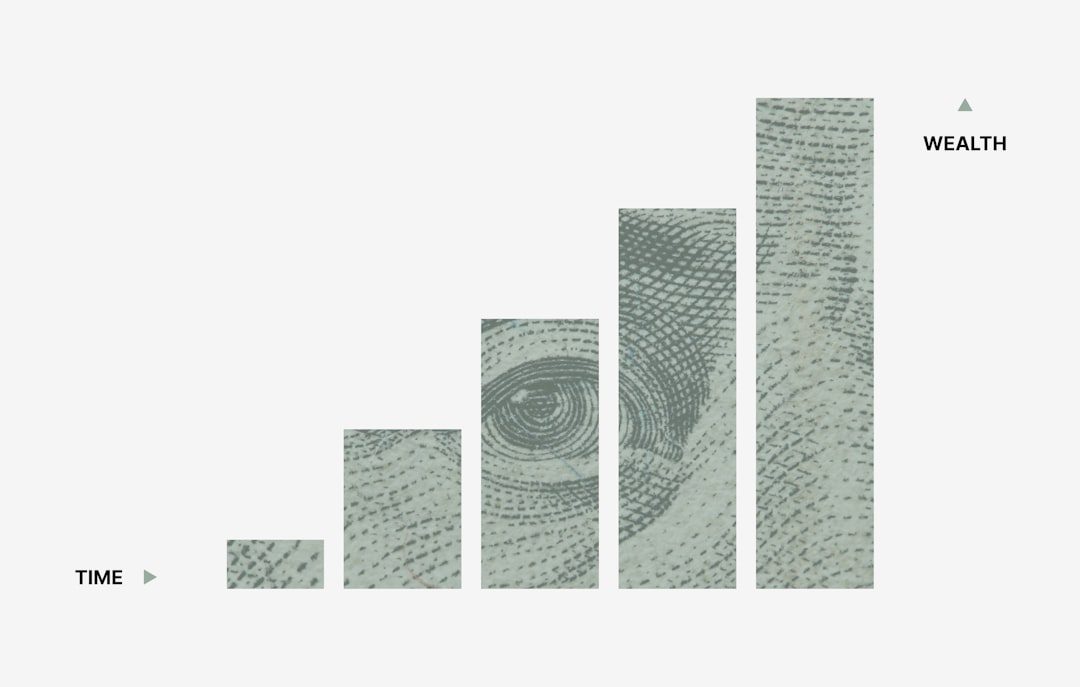
Most people blame their salary, their city, or their upbringing for their financial struggles. However, the real barrier is almost always internal. A deliberate money mindset shift — changing the core beliefs you hold about earning, spending, and building wealth — is the single most powerful financial move you can make. It costs nothing, but the return is enormous. In this guide, you will learn exactly how to identify your limiting beliefs, replace them with empowering ones, and build financial habits that actually last.
What Is a Money Mindset Shift (and Why It Matters)?
Your money mindset is the set of beliefs and attitudes you carry about money. These beliefs shape every financial decision you make — often without you realizing it.
For example, if you grew up hearing “money doesn’t grow on trees,” you may unconsciously resist spending on investments that could multiply your wealth. On the other hand, if you believe “rich people are greedy,” you may self-sabotage every time you get close to financial success.
A money mindset shift means consciously replacing those limiting beliefs with ones that serve your goals. Research published by the American Psychological Association consistently links financial stress to deep-seated beliefs about money — not just income levels.
Here is why this matters in 2026 specifically:
- Inflation and cost-of-living pressures make reactive financial thinking more dangerous than ever.
- New income streams (freelancing, content creation, passive investing) demand a proactive, opportunity-focused mindset.
- The wealth gap between those who invest and those who don’t is widening fast.
In short, your mindset is the starting point — not your income.
The Most Common Money Mindset Blocks Holding You Back
Before you can make a money mindset shift, you need to identify what you are working against. Most people carry at least one of these deeply rooted financial blocks.
1. Scarcity Thinking
Scarcity thinking tells you there is never enough — not enough money, opportunity, or time. As a result, you hoard, avoid investing, or feel guilty every time you spend. This mindset keeps you defensive instead of strategic.
2. The “I’m Just Bad With Money” Identity
This is one of the most damaging beliefs a person can hold. When you attach financial struggle to your identity, you stop looking for solutions. You treat failure as a personality trait rather than a skill gap.
3. Associating Wealth With Moral Failure
Many people genuinely believe that wanting more money is selfish. However, financial security gives you options — better healthcare, more time with family, the ability to give generously. Wanting wealth is not a character flaw.
4. Avoidance and Financial Anxiety
Avoiding your bank statements, skipping budget reviews, or ignoring debt does not make it disappear. In fact, avoidance compounds the problem. Financial anxiety thrives in the dark.
Recognizing which of these blocks apply to you is the first practical step toward a genuine money mindset shift.
How to Make a Real Money Mindset Shift: 6 Proven Steps
This is where theory becomes action. Follow these steps in order — each one builds on the last.
Step 1: Audit Your Financial Beliefs
Write down every belief you hold about money. Do not filter yourself. Common ones include:
- “Rich people are lucky, not smart.”
- “I’ll never be able to afford a home.”
- “Saving is for people who earn more than I do.”
- “Investing is too risky.”
Next, ask yourself: Where did this belief come from? A parent? A painful experience? Trace it to its source. That alone weakens its grip.
Step 2: Replace the Narrative, Not Just the Thought
Positive affirmations alone rarely work. Instead, replace the old narrative with a believable, evidence-based alternative. For example:
- Old: “I always run out of money before the month ends.”
- New: “I am building the skill of managing money intentionally, and I am getting better each month.”
The new belief must feel true enough to act on. Therefore, keep it grounded in reality.
Step 3: Track Every Dollar for 30 Days
You cannot improve what you do not measure. Spend 30 days logging every transaction — no exceptions. Most people discover they are spending $300–$600 per month on things they barely value. That money can be redirected toward savings or investments immediately.
Use a simple spreadsheet or an app like YNAB. The tool matters less than the consistency.
Step 4: Consume Financial Education Intentionally
Your mindset is shaped by your inputs. Swap one hour of passive scrolling per week for financial reading, podcasts, or courses. Some strong starting points in 2026:
- The Psychology of Money by Morgan Housel
- I Will Teach You to Be Rich by Ramit Sethi
- The Investopedia Academy for structured financial literacy
Furthermore, if you are building side income, our guide on freelancing for beginners is a practical next read.
Step 5: Surround Yourself With Financially Ambitious People
This is not about cutting off friends. It is about expanding your circle. Join a personal finance community, attend a local investing meetup, or follow professionals who share their financial journeys openly. Exposure to new financial norms rewires what you consider “normal.”
Step 6: Take One Small Financial Action Every Day
Mindset shifts solidify through behavior, not just thought. Small daily actions — transferring $10 to savings, reading one article about investing, reviewing your budget for five minutes — create compounding evidence that you are, in fact, someone who manages money well.
Most importantly, consistency over time beats intensity in a single moment every single time.
The Money Mindset Shift From Earner to Builder
One of the most transformative money mindset shifts you can make in 2026 is moving from an earner identity to a builder identity.
An earner thinks: “How do I make more money this month?”
A builder thinks: “How do I build systems that generate money over time?”
This distinction is critical. Earners trade time for money. Builders create assets — investments, businesses, skills, and income streams — that work independently of their time.
Here is what the builder mindset looks like in practice:
- Earner move: Working overtime to pay off a credit card.
- Builder move: Cutting discretionary spending, paying off the card, then redirecting that payment amount into an index fund monthly.
- Earner move: Hoping for a raise.
- Builder move: Launching a side income stream while negotiating the raise simultaneously.
For example, if you have creative skills, consider starting a YouTube channel. Our guide on how to start a YouTube channel in 2026 walks you through the process step by step. Similarly, affiliate marketing is another accessible builder strategy — we break it down in our affiliate marketing for beginners guide.
The builder mindset is not reserved for entrepreneurs. Anyone can adopt it with the right financial framework.
Money Mindset and Daily Habits: The Connection You Cannot Ignore
A mindset without supporting habits is just wishful thinking. Therefore, your daily routine must reflect the financial values you claim to hold.
Here are the daily and weekly habits that reinforce a strong money mindset:
Daily Habits
- Check your account balances every morning — no avoidance.
- Ask before any non-essential purchase: “Does this align with my financial goals?”
- Read or listen to five minutes of financial content.
Weekly Habits
- Review your weekly spending against your budget every Sunday.
- Transfer a set amount to savings on the same day each week — automate if possible.
- Spend 15 minutes learning about one new investment concept or strategy.
Monthly Habits
- Conduct a full budget review and adjust categories as needed.
- Review your net worth — assets minus liabilities — and track the trend.
- Identify one financial inefficiency to eliminate next month.
Also, consider pairing financial habits with strong time management practices. Our time management at work guide shows how structure in your day directly supports your financial goals.
Additionally, do not underestimate the impact of tax strategy on your net financial position. Pair your new mindset with smart tax moves covered in our tax saving strategies guide.
What a Successful Money Mindset Shift Actually Looks Like
Let’s ground this in a realistic example.
Meet Jordan. In early 2025, Jordan earned $58,000 per year, carried $12,000 in credit card debt, and had zero savings. Jordan believed money was “complicated” and that investing was “for people with extra money” — which, in Jordan’s mind, was never them.
By mid-2026, after committing to a full money mindset shift, Jordan’s situation looked dramatically different:
- Credit card debt: fully paid off.
- Emergency fund: $4,200 saved (three months of expenses).
- Monthly investing: $250 into a low-cost index fund.
- Side income: $600/month from a freelance writing service started six months ago.
Jordan’s income did not dramatically change. However, the beliefs, habits, and systems around money changed completely. That is the power of a genuine money mindset shift.
Jordan’s steps were straightforward:
- Identified the belief “investing isn’t for people like me” and challenged it with evidence.
- Started tracking expenses — discovered $400/month going to forgotten subscriptions and impulse purchases.
- Used that $400 to aggressively pay down the credit card.
- Launched a freelance side hustle to accelerate progress.
- Automated a monthly investment transfer the day after each payday.
None of these steps required a six-figure income. They required a different way of thinking.
Frequently Asked Questions
How long does a money mindset shift take to produce results?
Most people notice behavioral changes within 30–60 days of consistent effort. However, the financial results of those behavioral changes — debt reduction, savings growth, investment returns — compound over months and years. Therefore, start now and measure progress in quarters, not weeks.
Can a money mindset shift work if I have a low income?
Yes, absolutely. A money mindset shift works at any income level because it changes how you use what you have. Many people on modest incomes build substantial savings and side income through mindset-driven habit changes. Income matters, but behavior matters more at the beginning.
What is the difference between a scarcity mindset and an abundance mindset?
A scarcity mindset believes resources are fixed and finite — if someone else wins, you lose. An abundance mindset believes opportunities can be created and expanded. In financial terms, scarcity leads to hoarding and fear-based decisions. Abundance leads to strategic investing and income diversification. Neither is naive — abundance thinking is grounded in action, not wishful thinking.
How do I stop feeling guilty about spending money?
Guilt usually comes from spending without intention. When you build a budget that deliberately allocates money for enjoyment alongside savings and investing, guilt loses its power. You stop “cheating” because your plan already accounts for spending. First, create the plan. Then, spend within it guilt-free.
Is a money mindset shift enough, or do I also need financial knowledge?
Both are essential. Mindset without knowledge leads to motivated but uninformed decisions. Knowledge without mindset leads to inaction. Moreover, the two reinforce each other — as your mindset improves, you become more curious and willing to learn. As your knowledge grows, your confidence and mindset strengthen further.
Key Takeaways
Here are the 3 most important things to take away from this guide:
- Your beliefs drive your behaviors. A money mindset shift is not motivational fluff — it is the foundational work that makes every financial strategy actually stick. Identify your limiting beliefs before you try to implement any new financial system.
- The builder identity beats the earner identity. Stop thinking about how to make more this month. Start thinking about what assets, skills, and systems you can build that will generate returns over time. Side income, investing, and budgeting all become natural when you adopt a builder’s perspective.
- Habit consistency is the proof of mindset change. Journaling about your new money beliefs is a start. However, the real shift shows up in daily choices — tracking spending, automating savings, and reviewing your financial position weekly. Small, repeated actions compound into transformational results.
Your financial future is not determined by your past beliefs. It is shaped by the ones you choose to hold starting today. Make the money mindset shift — and then back it up with action.

More from Money Stack
 Money Stack
Emergency Fund Guidelines That Actually Work
Most people think they have a financial safety net — until they actually need one. These emergency fund guidelines break...
 Money Stack
How to Build Wealth in Your 20s: A Real Guide
Your 20s are the most powerful decade for building lasting wealth — but only if you use them wisely. This...
 Money Stack
Emergency Fund Guidance for Every Income Level
An emergency fund is the foundation of every solid financial plan — but most people either underestimate it or skip...