Freelance Portfolio Examples That Win Clients
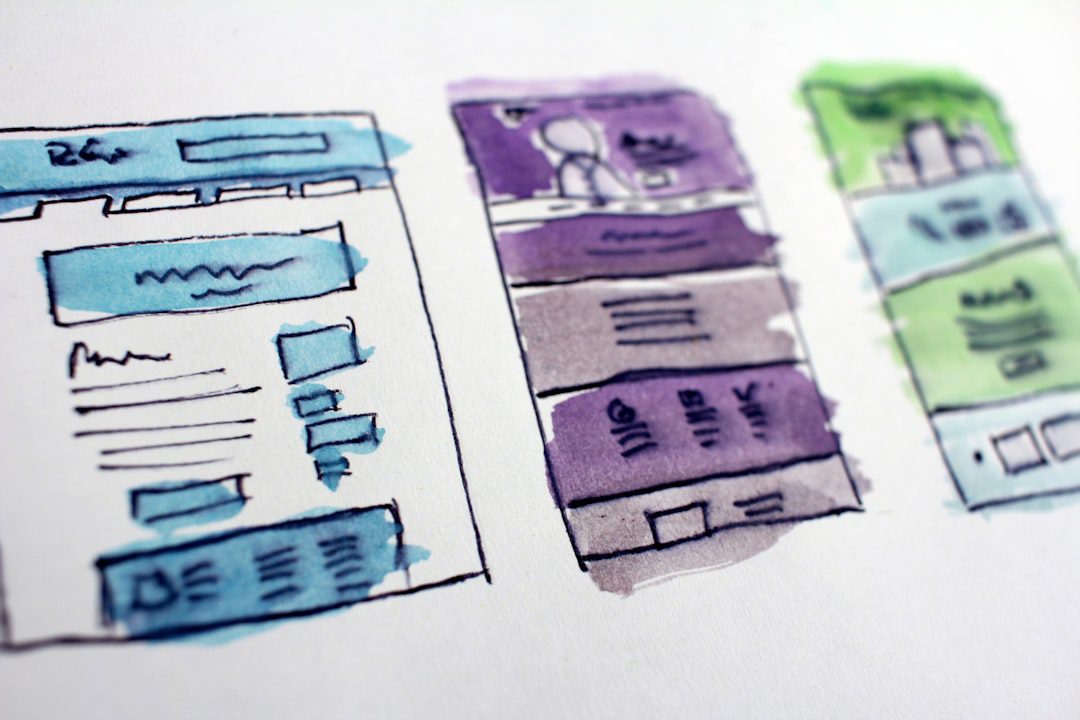
Your portfolio is the first thing a potential client judges you by — and in 2026, the bar is higher than ever. Whether you’re a copywriter, designer, developer, or consultant, strong freelance portfolio examples can mean the difference between landing a $5,000 project and getting ghosted. This guide shows you exactly what the best portfolios do differently, breaks down real-world examples by niche, and gives you a clear action plan to build (or upgrade) yours today.
Why Most Freelance Portfolios Fail to Convert
Most freelancers build portfolios that look like archives, not sales tools. They pile in every project they’ve ever completed and call it done. However, a portfolio isn’t a museum — it’s a pitch.
Here’s what typically goes wrong:
- Too much work, not enough context. Clients don’t just want to see what you made. They want to understand the problem you solved.
- No measurable results. “I designed a website” is forgettable. “I redesigned a homepage that increased conversions by 38%” is not.
- Generic presentation. A wall of thumbnails with no story behind them tells a client nothing about how you think.
- Missing a clear call-to-action. Every portfolio page should make it obvious what the visitor should do next.
In fact, research from LinkedIn consistently shows that decision-makers spend just seconds scanning before deciding whether to engage. Therefore, your portfolio needs to make an impact fast.
What the Best Freelance Portfolio Examples Have in Common
After studying hundreds of high-converting freelancer sites, a few patterns emerge. The best freelance portfolio examples all share these core elements.
1. A Sharp, Specific Value Proposition
The best portfolios don’t say “I’m a freelance designer.” Instead, they say something like: “I help SaaS startups convert more trials with clean, data-driven UI design.” That specificity filters in ideal clients and filters out bad fits — which is exactly what you want.
2. Case Studies Over Sample Galleries
Strong portfolios replace static image galleries with short case studies. Each case study typically covers:
- The challenge — What problem did the client face?
- Your process — How did you approach solving it?
- The outcome — What measurable result did your work produce?
For example, a freelance copywriter might write: “Client needed email sequences to re-engage cold subscribers. I wrote a 5-part campaign. Result: 22% re-engagement rate, up from 6%.” That’s compelling. Furthermore, it’s scannable.
3. Social Proof That Feels Real
Testimonials matter enormously. However, vague praise like “Great to work with!” does very little. The best freelance portfolio examples feature testimonials that are specific, outcome-focused, and ideally from recognizable companies or people.
A strong testimonial sounds like: “[Name] delivered our rebrand in three weeks. As a result, our pitch deck got noticeably better responses from investors.” Notice how it connects the work to a real-world outcome.
Freelance Portfolio Examples by Niche
Different freelance disciplines call for different portfolio structures. Below are standout approaches by category, based on what’s working in 2026.
Freelance Writers and Copywriters
For writers, the portfolio lives and dies by the quality of the writing samples. However, the presentation matters just as much as the words themselves.
Top-performing writer portfolios in 2026 typically include:
- 3–6 curated clips (not 30 mediocre ones)
- A brief note on the brief, audience, and goal for each piece
- Any performance data available (pageviews, shares, conversions)
- A clear services page that names specific deliverables and rates — or a range
A strong example: a B2B SaaS writer whose portfolio opens with a headline like “I write content that ranks and converts for software companies”, followed by three case studies with traffic data, and a contact form above the fold. Simple, focused, effective.
Freelance Designers and Illustrators
Designers often fall into the trap of showing off technically impressive work that doesn’t communicate business value. Moreover, visual portfolios without context feel like art exhibitions, not sales tools.
The best design portfolio examples in 2026 do the following:
- Lead with a niche: “Brand identity for wellness and lifestyle companies”
- Show before/after comparisons where possible
- Add one-line business outcomes to each project: “New packaging contributed to a 3x shelf pickup rate in user testing”
- Keep the visual presentation clean — the work should shine, not the template
Freelance Developers and Engineers
Developer portfolios have a unique challenge: the most impressive work is often under an NDA or buried inside a large codebase. Therefore, personal and open-source projects carry enormous weight here.
Effective developer portfolio examples include:
- GitHub links with clean, well-documented repositories
- Live demos wherever possible — even a simple demo app speaks louder than a screenshot
- A “Tech Stack” section that quickly signals expertise to technical hiring managers
- A short write-up on the architecture decisions behind key projects
Freelance Consultants and Coaches
Consultants sell outcomes, not deliverables. As a result, their portfolios should be almost entirely results-oriented.
Strong consultant portfolio examples typically feature:
- Client success metrics front and center (revenue growth, cost savings, time saved)
- Short video testimonials — these convert better than text in 2026
- A short “method” or “approach” section that explains how you think
- A lead magnet or free resource that demonstrates expertise immediately
How to Structure Your Freelance Portfolio Page
Even the best projects fail to impress if the portfolio page itself is confusing. Here’s a proven structure that works across nearly every freelance niche.
- Hero Section: Your name, your niche, and your value proposition. One sentence. Make it specific.
- Social Proof Bar: Logos of past clients or publications you’ve contributed to. This builds instant credibility.
- Featured Work: 3–5 case studies or highlighted projects — not your full archive.
- About Section: A short, human paragraph. Clients hire people, not skill sets.
- Testimonials: 2–4 specific, outcome-focused quotes from real clients.
- Services / Work With Me: Clear description of what you offer and how clients can engage you.
- Contact / CTA: One clear action. Book a call, send a brief, or fill out a form.
This structure keeps the visitor moving forward. Most importantly, it never makes them wonder what to do next.
The Right Platforms for Your Freelance Portfolio in 2026
Choosing where to host your portfolio is a real decision. Each platform has tradeoffs. Here’s a quick breakdown of the top options freelancers are using in 2026:
- Personal website (WordPress, Webflow, Squarespace): Most control, best for SEO. Ideal if you’re serious about inbound leads.
- Behance / Dribbble: Great for designers to get discovered, but limited for showcasing business outcomes.
- Contra or Bonsai: Newer platforms built specifically for freelancers. They combine portfolio and contracts in one place.
- Notion portfolios: Surprisingly effective for writers and consultants. Fast to set up, easy to update, and easy to share.
- LinkedIn Featured Section: Not a full portfolio replacement, but a useful supplement for B2B freelancers.
For most freelancers, the best approach combines a personal website with one platform-specific presence. Furthermore, owning your domain means you’re not dependent on any third-party platform’s algorithm or policy changes.
If you’re building your client base from scratch, pair your portfolio strategy with solid outreach fundamentals. Our guide on how to get your first 100 customers covers the outreach side of the equation in depth.
Common Mistakes to Fix in Your Freelance Portfolio Examples Right Now
Even experienced freelancers make these errors. The good news? Most are quick fixes.
- Using your portfolio as a chronological resume. Lead with your best work, not your oldest work.
- No mobile optimization. In 2026, over 60% of portfolio visitors browse on mobile. Test your site on your phone before sending it to any client.
- Outdated projects. Remove anything older than 3–4 years unless it’s genuinely exceptional or strategically relevant.
- Slow load times. Compress images. A portfolio that takes 5 seconds to load loses clients before they even see your work.
- No contact information above the fold. Don’t make interested clients scroll to find you. Put a CTA in the navigation or hero section.
- Confusing niche signals. If your portfolio shows logo design, wedding photography, and Python scripts, clients won’t know what to hire you for. Specialize, or create separate portfolio pages by service.
Also, don’t neglect the admin side of freelancing. Tools that help you stay organized free up more time for portfolio-worthy work. A good starting point is our roundup of the best email management tools to keep client communication clean and professional.
Frequently Asked Questions
How many projects should I include in my freelance portfolio?
Quality always beats quantity. Most successful freelancers showcase 3–6 carefully selected projects rather than 20+ rushed samples. Each piece should represent your best work, your target niche, or a specific outcome you’re proud of. Moreover, a tight, focused portfolio signals confidence — a bloated one signals insecurity.
What should I put in my freelance portfolio if I have no experience?
Start with spec work, personal projects, or volunteer projects. A web designer can redesign a local business’s homepage as a concept and include it with a note explaining the brief. A writer can create sample blog posts for fictional brands. Clients care about quality and thinking — not just paid history. In fact, many top freelancers landed their first major clients this way.
Should my freelance portfolio be a PDF or a website?
A website is almost always better. It’s easier to update, trackable (you can see who visits), linkable, and searchable on Google. However, a PDF version is a smart secondary asset to attach to proposals or cold outreach emails. Use both — your website as the hub, the PDF as a leave-behind.
How often should I update my freelance portfolio?
Review and refresh your portfolio at least every six months. In practice, update it immediately whenever you complete a strong project with great results. Furthermore, set a calendar reminder each January and July to audit what’s there, remove outdated work, and add new case studies. Consistency here separates professional freelancers from casual ones.
Do freelance portfolio examples differ by industry?
Yes, significantly. Designers need visual impact above all. Writers need readable, well-framed samples. Developers need live demos and clean code. Consultants need outcomes and data. Therefore, the best approach is to study the top 5–10 freelancers in your specific niche, note the patterns, and adapt them to your own voice and work.
Key Takeaways
- Lead with outcomes, not outputs. The best freelance portfolio examples don’t just show what you made — they show what it achieved. Add metrics, results, and context to every project you feature.
- Structure your portfolio as a sales tool. Use a clear flow: value proposition → featured work → social proof → call-to-action. Every section should move the visitor one step closer to contacting you.
- Specialize and keep it current. A focused portfolio in a clear niche will always outperform a generalist archive. Review your portfolio every six months, cut weak work, and add strong new case studies consistently.

More from Career Stack
 Career Stack
Building Professional Network: The 2026 Guide
Building a professional network is no longer optional — it's the career infrastructure that separates thriving professionals from stagnant ones....
 Career Stack
Building Professional Network: The 2026 Guide
Building a professional network in 2026 takes more than collecting LinkedIn connections. This guide breaks down exactly how to create...
 Career Stack
Freelance Portfolio Tips for Beginners That Work
Building a freelance portfolio from scratch feels overwhelming, but it doesn't have to be. This guide breaks down the most...