Cooking Guidelines Every Busy Professional Needs
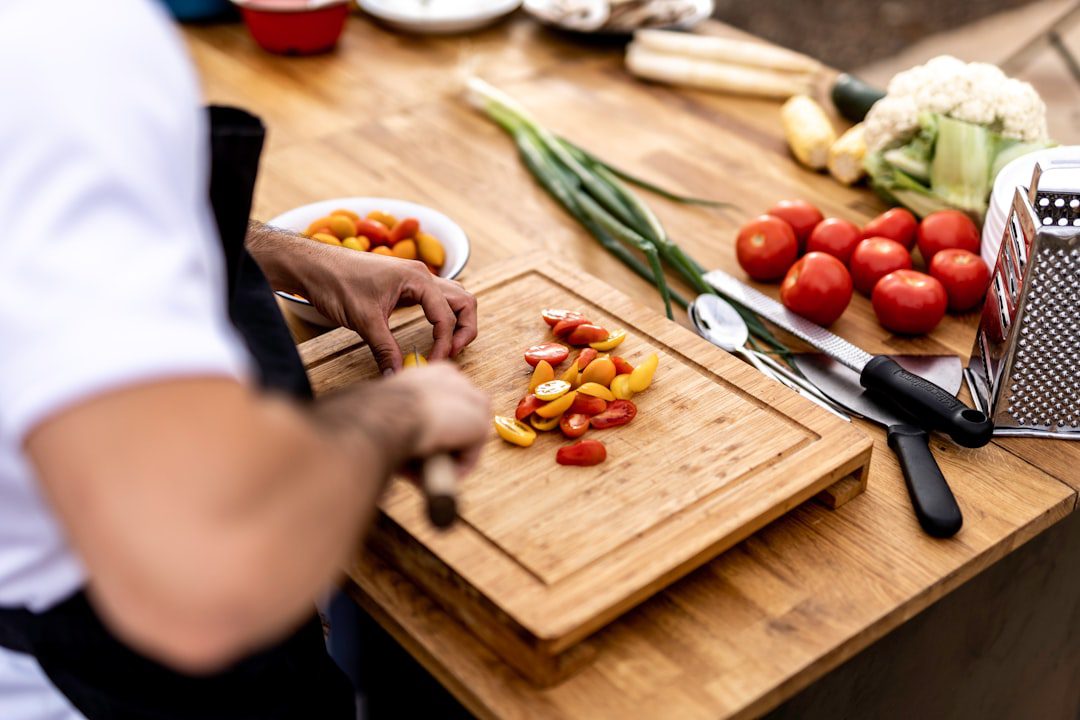
Most professionals spend more mental energy deciding what to eat than they do on quarterly planning. That ends today. A clear set of cooking guidelines removes decision fatigue, cuts food waste, and puts genuinely nutritious meals on your table in under 30 minutes. Whether you cook three times a week or every single day, these principles will upgrade your kitchen game fast.
Why Cooking Guidelines Actually Matter for Professionals
Cooking without a framework is like building a product without a roadmap. You might get somewhere, but you’ll waste a lot of time and resources along the way.
Consider this: the average professional loses 45 minutes per day to unplanned meals — scrambling for ingredients, ordering delivery out of exhaustion, or eating something that doesn’t support their energy needs. Over a year, that’s nearly 275 hours.
Furthermore, research from the Harvard T.H. Chan School of Public Health consistently links home-cooked meals to better dietary quality, lower calorie intake, and reduced risk of chronic disease. In short, cooking at home works — but only when you have a system.
Here’s what solid cooking guidelines actually give you:
- Consistency — You make better food choices automatically, not just when motivation is high.
- Speed — Practiced routines cut prep time dramatically.
- Confidence — You stop second-guessing every meal and start experimenting intelligently.
- Cost savings — Planning reduces impulse grocery buys and food waste.
Core Cooking Guidelines for Safe, Healthy Meals
Before diving into strategy, let’s establish the non-negotiables. These are the foundational cooking guidelines that protect your health and keep your kitchen running efficiently.
Food Safety Temperatures You Must Know
Food safety is not negotiable. The U.S. Food Safety and Inspection Service provides clear minimum internal temperature standards. Here are the key ones:
- Poultry (chicken, turkey): 165°F (74°C)
- Ground meats (beef, pork, lamb): 160°F (71°C)
- Whole cuts of beef, pork, lamb: 145°F (63°C), with a 3-minute rest
- Fish and shellfish: 145°F (63°C)
- Eggs: Cook until yolk and white are firm
- Leftovers and casseroles: 165°F (74°C)
Therefore, a reliable instant-read thermometer is one of the smartest $15 investments you’ll make in 2026.
The “Danger Zone” Rule
Bacteria multiply rapidly between 40°F and 140°F (4°C–60°C). This range is known as the food danger zone. As a result, never leave cooked food sitting at room temperature for more than 2 hours. Refrigerate leftovers promptly, and always thaw proteins in the fridge — not on the counter.
The Meal Prep Framework: Plan Once, Cook Smart All Week
Meal prep is the single highest-leverage habit a busy professional can build in the kitchen. However, most people approach it wrong — spending an entire Sunday cooking elaborate dishes that get boring by Wednesday.
Instead, use the component cooking method. Cook building blocks, not full recipes.
How Component Cooking Works
Rather than preparing five separate meals, prepare five versatile ingredients. Then mix and match throughout the week.
A typical Sunday prep session (90 minutes) might look like this:
- Protein base: Roast a tray of chicken thighs + hard-boil 6 eggs
- Complex carbs: Cook a large batch of brown rice or quinoa
- Roasted vegetables: Sheet-pan broccoli, bell peppers, and sweet potato
- Sauce or dressing: One versatile sauce (tahini, pesto, or a simple vinaigrette)
- Leafy greens: Wash and dry a full bag of mixed greens
From these five components, you can build grain bowls, wraps, salads, stir-fries, and egg scrambles throughout the week. Moreover, nothing goes to waste because every component is interchangeable.
The 2-2-2 Weekly Cooking Guideline
For professionals who don’t want to meal prep extensively, try the 2-2-2 rule:
- 2 proteins prepped and ready in the fridge
- 2 vegetable sides cooked or prepped
- 2 sauces or flavor boosters on hand
This simple structure covers most weeknight meals without requiring a full prep marathon. In fact, it takes most people under 60 minutes to set up.
Essential Knife and Technique Guidelines for the Home Cook
You don’t need to cook like a chef. However, a few foundational technique guidelines will cut your prep time in half and make the entire cooking experience more enjoyable.
Master These 5 Core Techniques First
- The rocking chop — Keep the knife tip on the board and rock the blade down. This is faster and safer than lifting the full knife.
- Mise en place — French for “everything in its place.” Prep all ingredients before you turn on the heat. This eliminates chaos mid-cook.
- The sear — A hot, dry pan before adding oil creates the Maillard reaction, locking in flavor. Don’t skip the preheat.
- Deglazing — Add liquid (wine, broth, water) to a hot pan after searing to capture the browned bits. This creates instant, complex sauces.
- Tasting as you go — Season in layers, not just at the end. Taste after every major step.
Knife Safety Guidelines
A dull knife is more dangerous than a sharp one. This sounds counterintuitive, but a dull blade requires more force — making slips far more likely. Follow these guidelines:
- Hone your knife with a honing steel before every session.
- Sharpen your knife properly every 3–6 months.
- Always cut away from your body on a stable cutting board.
- Never place knives in a soapy sink where they’re invisible.
Cooking Guidelines for Nutrition-Optimized Meals
Eating well doesn’t require a nutrition degree. However, a few smart cooking guidelines will dramatically improve the nutritional quality of every meal you prepare.
The Plate Framework
Build every meal around this simple visual structure:
- 50% vegetables and fruits — Fill half your plate with color.
- 25% lean protein — Chicken, fish, legumes, tofu, eggs, or lean beef.
- 25% complex carbohydrates — Brown rice, quinoa, sweet potato, or whole grain pasta.
- A small amount of healthy fat — Olive oil, avocado, nuts, or seeds.
This mirrors the Harvard Healthy Eating Plate model and applies to almost any cuisine or dietary preference.
Cooking Methods That Preserve Nutrients
How you cook matters as much as what you cook. Some methods destroy nutrients; others lock them in.
- Best methods: Steaming, roasting, stir-frying, and poaching preserve most vitamins and minerals.
- Use sparingly: Boiling vegetables leaches water-soluble vitamins (B and C) into the cooking water. If you boil, use that liquid in soups or sauces.
- Avoid regularly: Deep frying and heavy charring add significant unhealthy fats and potential carcinogens.
Furthermore, cooking with extra-virgin olive oil at medium heat (not high) preserves its polyphenol content — the compound responsible for most of its health benefits.
Smart Grocery Guidelines to Support Your Cooking Routine
Even the best cooking guidelines fall apart without the right ingredients on hand. Therefore, your grocery strategy is just as important as your kitchen strategy.
The Professional’s Pantry Staples List
Stock these consistently, and you can build a meal from scratch at any time:
Pantry essentials:
- Canned chickpeas, lentils, and black beans
- Olive oil and a neutral oil (avocado or grapeseed)
- Brown rice, quinoa, and whole grain pasta
- Canned tomatoes (whole and crushed)
- Chicken or vegetable broth (low-sodium)
- Soy sauce or tamari, hot sauce, Dijon mustard
Freezer essentials:
- Frozen edamame, peas, and corn (retain nearly all nutrients)
- Frozen salmon fillets and shrimp
- Frozen spinach and chopped vegetables
Fridge essentials:
- Eggs, Greek yogurt, and aged cheese
- Fresh garlic and ginger
- Lemons and limes
- A leafy green (kale, spinach, or arugula)
The 80/20 Grocery Rule
Buy 80% of your groceries from a planned list. Reserve 20% for spontaneous, in-season items. This balance keeps your meals nutritious and interesting — without blowing your budget or your schedule. If you want to maximize savings further, pairing a grocery list with a cashback app can make a real difference; check out this guide on the best cashback apps to maximize your savings in 2026.
Time-Saving Cooking Guidelines for the Busiest Weeks
Some weeks, life simply takes over. On those weeks, your cooking guidelines should scale down — not disappear entirely.
The 15-Minute Meal Formula
Every fast, nutritious meal follows this structure:
- A pre-cooked or fast-cooking protein — Canned tuna, rotisserie chicken, eggs, or shrimp (cooks in 3 minutes).
- A pre-cooked or instant carb — Microwavable rice pouches, canned beans, or pre-cooked lentils.
- A raw or quickly wilted vegetable — Baby spinach, arugula, cherry tomatoes, or frozen peas.
- A flavor bomb — One tablespoon of something bold: harissa, tahini, pesto, or sriracha.
Combine all four, and you have a complete, balanced meal in 15 minutes or less. Most importantly, you never have to compromise your nutrition standards just because your calendar is full.
Batch Cooking Vs. Rotational Cooking
Two popular approaches suit different professional lifestyles:
- Batch cooking — Cook large quantities of one or two meals and eat them throughout the week. Best for people who don’t mind repetition and value pure efficiency.
- Rotational cooking — Keep a rotation of 8–10 reliable recipes you can make on autopilot. Best for people who want variety without the mental load of constant new recipes.
In fact, most successful home cooks use a hybrid: batch-cooked components with a rotating list of 6–8 “assembly” meals.
Key Takeaways: Your Cooking Guidelines Summary
- Safety first, always. Use a food thermometer, respect the danger zone (40–140°F), and refrigerate leftovers within 2 hours. These non-negotiable cooking guidelines protect your health every single time you cook.
- Build systems, not just meals. Component cooking, the 2-2-2 rule, and a stocked pantry turn healthy eating from a daily decision into an automatic habit — saving you time and mental energy every week.
- Technique multiplies effort. A handful of foundational techniques (mise en place, the sear, proper knife use) will cut your prep time and dramatically improve the quality of everything you cook. Invest an hour learning them once and benefit for a lifetime.
Frequently Asked Questions
What are the most important cooking guidelines for beginners?
Start with three fundamentals: food safety temperatures, mise en place (prepping everything before you cook), and the basic plate framework (50% vegetables, 25% protein, 25% complex carbs). These three cooking guidelines alone will make you a competent, confident home cook faster than any recipe collection.
How do I follow cooking guidelines when I have very little time?
Use the 15-minute meal formula: a fast-cooking protein, a pre-cooked carb, a raw or quickly-wilted vegetable, and one bold sauce or condiment. Additionally, batch-cooking two proteins and one grain on the weekend removes all weeknight decision-making. You don’t need hours — you need a reliable system.
Are there cooking guidelines specific to eating healthier without dieting?
Yes. Focus on cooking methods first: steaming, roasting, and stir-frying preserve nutrients better than boiling or deep-frying. Moreover, building every plate around the 50/25/25 framework (vegetables, protein, complex carbs) naturally improves nutritional quality without counting calories or following a restrictive diet.
How often should I meal prep to stay consistent with healthy cooking?
Once a week is sufficient for most professionals. A 60–90 minute Sunday session using component cooking covers the majority of weekday meals. However, even a 30-minute “light prep” — washing greens, boiling eggs, and cooking a grain — provides enough structure to make better choices all week.
What kitchen tools do I actually need to follow good cooking guidelines?
You need fewer tools than you think. The essentials are: a sharp 8-inch chef’s knife, a sturdy cutting board, a 10–12 inch stainless steel or cast-iron skillet, a medium saucepan, a sheet pan, and an instant-read thermometer. These six items cover roughly 90% of home cooking scenarios and support virtually every core cooking guideline in this article.

More from Life Stack
 Life Stack
Home Office Ergonomics Review: Top Setups for 2026
A poor home office setup costs you more than comfort — it costs you productivity, focus, and long-term health. This...
 Life Stack
How to Declutter Your Life 2026: A Smart Guide
Clutter isn't just physical — it's mental, digital, and scheduling noise that quietly drains your energy and focus. This guide...
 Life Stack
Home Office Ergonomics: Work Smarter, Hurt Less
Poor home office ergonomics costs professionals thousands in medical bills — and even more in lost productivity. This guide covers...