Cover Letter Tips 2026 That Actually Get You Hired
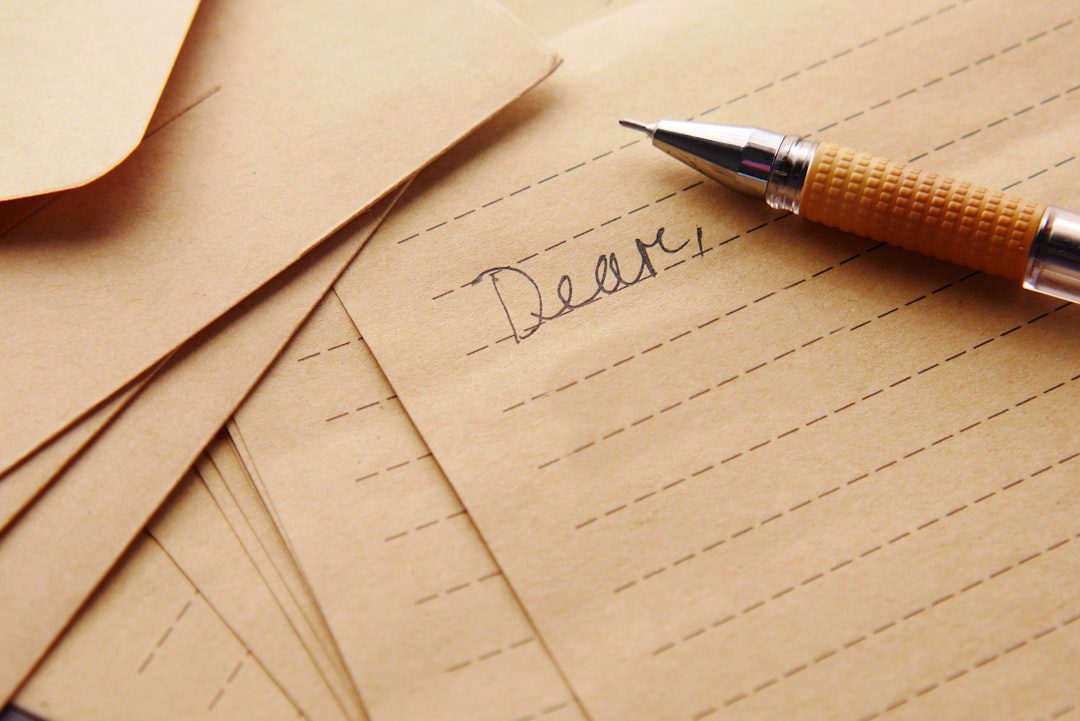
Most cover letters die in the inbox. Hiring managers spend an average of 7 seconds scanning a cover letter before deciding whether to keep reading. That means yours needs to earn attention fast. These cover letter tips 2026 will show you exactly how to do that — with real structure, sharp language, and a strategy that actually reflects how hiring works right now. Whether you are switching careers, re-entering the workforce, or competing for a highly sought-after remote role, this guide gives you the edge.
Why Most Cover Letters Fail (And What to Do Instead)
Here is the hard truth: most cover letters are a copy-paste of the resume with a polite greeting bolted on. Hiring managers notice immediately. In fact, many recruiters say a generic cover letter does more harm than no cover letter at all.
The biggest mistakes applicants make include:
- Opening with “I am writing to apply for…” (it wastes precious space)
- Summarizing the resume instead of complementing it
- Focusing entirely on what the company can do for them, not the other way around
- Using vague language like “team player” or “hard worker” without evidence
- Submitting the exact same letter to every employer
Therefore, before you write a single word, you need to understand the purpose. A cover letter is not a summary. It is a targeted pitch that answers one question for the hiring manager: “Why should I spend time on this person?”
The Best Cover Letter Tips 2026: Structure That Works
Strong cover letters follow a clear, scannable structure. Recruiters move fast, so you need to make their job easy. Moreover, a well-structured letter signals professionalism before they read a single sentence.
Here is the four-paragraph framework top candidates use in 2026:
Paragraph 1: The Hook (3–4 sentences)
Start with a specific, compelling statement. Reference the role by name and immediately signal your value. For example: “When [Company] launched its hybrid logistics platform last quarter, I recognized the same operational gap I solved at my previous employer — cutting fulfillment delays by 34% in six months.”
That opening does several things at once. It shows research. It demonstrates relevance. Furthermore, it replaces “I am writing to apply for…” with something a human actually wants to read.
Paragraph 2: The Evidence (4–5 sentences)
This is where you prove your hook. Choose one or two specific achievements from your career and connect them directly to the job requirements. Use numbers wherever possible.
- Instead of “I managed social media,” write “I grew a LinkedIn audience from 800 to 14,000 followers in 11 months.”
- Instead of “I improved customer satisfaction,” write “I redesigned the onboarding flow, which pushed NPS from 42 to 67.”
Specificity builds credibility. It also makes your letter impossible to ignore.
Paragraph 3: The Fit (3–4 sentences)
Show that you understand the company’s world. Reference a recent product launch, a published goal, a value from their careers page, or a challenge in their industry. However, keep this short and surgical — one or two sentences of genuine insight beats a paragraph of vague flattery.
Paragraph 4: The Close (2–3 sentences)
End with a clear, confident call to action. Do not beg. Do not hedge. Simply state that you would welcome a conversation and make it easy for them to say yes.
For example: “I would love to discuss how my background in supply chain optimization maps to what your team is building. I am available for a call this week or next — whichever works best for you.”
Customization: The Non-Negotiable Step
Customization is the single most important of all cover letter tips 2026 professionals share. A tailored letter consistently outperforms a general one — full stop.
According to the U.S. Bureau of Labor Statistics, competition across professional occupations remains intense. Standing out requires deliberate effort, not volume.
Here is a practical customization checklist for every application:
- Read the job description twice. Underline the top three requirements and mirror that language in your letter.
- Research the company. Check their blog, LinkedIn, and press releases from the last 90 days.
- Name the hiring manager if you can find them. “Dear Sarah Chen” beats “Dear Hiring Team” every time.
- Swap at least one achievement to match the specific priorities of the role.
- Adjust your tone. A startup cover letter should feel different from one targeting a law firm.
This process takes 20–30 extra minutes per application. However, it dramatically increases your callback rate. Quality over quantity always wins in a competitive market.
Tone, Length, and Formatting in 2026
The days of the formal, three-page cover letter are over. Most hiring managers prefer a letter they can read in under 90 seconds. That means keeping your letter to 250–350 words maximum.
Tone Tips
Your tone should be confident but conversational. Avoid corporate jargon and stuffy phrasing. Write the way a smart, composed professional speaks in a first meeting.
- Avoid: “I am highly motivated to leverage my synergistic skill set…”
- Use instead: “I built and scaled a content team from scratch — here is what I learned.”
Formatting Tips
Visual clarity matters more than most applicants realize. Consider these formatting rules:
- Use a clean, readable font: Calibri, Georgia, or Lato at 11–12pt
- Keep margins at 1 inch on all sides
- Use standard business letter formatting with your contact info at the top
- Submit as a PDF unless the job posting specifically requests a Word document
- Keep file naming professional: FirstName-LastName-CoverLetter.pdf
What to Cut Immediately
Some phrases actively hurt your chances. Remove these from every draft:
- “I am a passionate, results-driven professional…”
- “Please find my resume attached for your review.”
- “I believe I would be a great fit…” (show it, do not just say it)
- Any mention of salary expectations unless explicitly requested
Cover Letter Tips 2026 for Remote and Freelance Applicants
Remote and freelance job markets play by slightly different rules. If you are targeting distributed teams or contract roles, your cover letter needs to address specific concerns upfront.
Remote hiring managers want to know three things immediately:
- Can you manage yourself? Reference your track record of independent delivery.
- Can you communicate clearly in writing? Your cover letter is literally proof of this — make it count.
- Are you set up to work effectively? A brief, confident mention of your home setup or remote experience signals readiness. (Check out our guide to home office ergonomics for a setup worth mentioning.)
Furthermore, if you are a freelancer pitching for a project-based role, reframe your letter as a brief proposal. Lead with the client’s problem, follow with your approach, and close with a clear offer. This format works exceptionally well for creative, technical, and consulting roles.
For freelancers managing multiple clients, staying organized is equally critical. Our breakdown of the best CRM tools for freelancers in 2026 can help you keep your pipeline sharp while you apply.
The Follow-Up: What to Do After You Send It
Most applicants send the letter and wait. The best candidates take one more step.
First, connect with the hiring manager or a team member on LinkedIn within 24 hours of submitting. Send a brief, personalized note — not a copy of your cover letter. Something like: “Hi [Name], I just applied for the [Role] position and wanted to briefly introduce myself. I am particularly excited about [specific aspect of the company]. Looking forward to connecting.”
Second, follow up by email after 5–7 business days if you have not heard back. Keep it to two sentences. Express continued interest, restate your core value in one line, and ask if there is anything else they need from you.
Most importantly, do not send multiple follow-ups in the same week. Persistence is smart. Pressure is not.
Frequently Asked Questions
How long should a cover letter be in 2026?
Keep it to 250–350 words — roughly three to four short paragraphs. Hiring managers read quickly, so every sentence needs to earn its place. Longer letters get skimmed or skipped entirely.
Should I always include a cover letter?
Yes, whenever the application gives you the option. Even if it says “optional,” submitting one shows initiative. However, only submit a good cover letter. A weak, generic one can hurt more than help.
What is the biggest cover letter mistake in 2026?
Using a generic, untailored template. Hiring managers recognize them instantly. The most impactful cover letter tips 2026 hiring professionals recommend all point to the same fix: customize every single letter to the specific role and company.
Can I use bullet points in a cover letter?
Yes, sparingly. One short bulleted list in the “evidence” section can improve scannability. However, do not overdo it — a cover letter should still read as a cohesive narrative, not a list of facts.
How do I write a cover letter with no experience?
Focus on transferable skills, relevant projects, coursework, or volunteer work. Lead with your enthusiasm for the specific problem the company is solving. Moreover, emphasize your ability to learn fast — and back it up with a concrete example of when you did exactly that.
Key Takeaways
Your 2026 Cover Letter Cheat Sheet
- Hook fast, prove faster. Open with a specific, relevant statement and follow immediately with a measurable achievement. Skip the generic opener entirely.
- Customize every single time. The best cover letter tips 2026 hiring managers share all lead back to personalization. A tailored 300-word letter beats a polished generic one every time.
- Follow up with confidence. Sending the letter is step one. A brief LinkedIn message and a single polite follow-up email set you apart from 90% of applicants who simply wait.
Your cover letter is not a formality. It is your first real conversation with a potential employer. Treat it that way, and the interviews will follow.

More from Career Stack
 Career Stack
Remote Work Productivity Tips Tips That Actually Work
Struggling to stay focused and efficient outside the office? These remote work productivity tips tips cover everything from structuring your...
 Career Stack
Gig Economy Guide Tips to Thrive in 2026
The gig economy is booming in 2026, and knowing how to navigate it strategically makes all the difference. This guide...
 Career Stack
Networking Strategies That Actually Get Results
Most professionals know networking matters, but few do it well. This guide breaks down the exact networking strategies that build...