How to Travel on a Budget Without Sacrificing Fun

Most people assume travel is expensive by default. However, how to travel on a budget is one of the most searchable — and most misunderstood — topics in personal finance. The truth is, savvy travelers consistently explore stunning destinations, stay in comfortable accommodations, and eat incredible food while spending far less than their peers. In 2026, with smarter booking tools, flexible remote work policies, and a growing culture of intentional spending, budget travel has never been more accessible. This guide gives you a practical, no-fluff roadmap to make it happen.
Why Learning How to Travel on a Budget Is a Professional Skill
Budget travel isn’t just for gap-year students. In fact, many high-performing professionals treat it as a strategic life skill — one that directly supports their mental health, creativity, and long-term financial goals.
Consider this: a two-week trip to Southeast Asia can cost under $1,800 all-in if you plan correctly. That same trip, booked impulsively, can easily exceed $5,000. The difference isn’t luck. It’s preparation and systems thinking — the same skills that make you effective at work.
Moreover, travel is one of the strongest predictors of reduced burnout among professionals. According to the American Psychological Association, vacations significantly lower stress and improve overall well-being. Therefore, spending smarter on travel isn’t just frugality — it’s an investment in your performance.
If you’re also working on building income streams to fund your adventures, check out our post on how to make money online in 2026 for practical ideas that fit a busy schedule.
Plan Early and Stay Flexible: The Two Golden Rules
Every budget traveler operates on two core principles: plan early and stay flexible. These two rules alone can cut your travel costs by 30–50%.
Book Flights at the Right Time
Flight prices fluctuate constantly. However, data consistently shows that booking 6 to 8 weeks in advance for domestic flights and 3 to 5 months ahead for international routes tends to yield the best prices.
- Use fare alert tools like Google Flights or Hopper to track price drops automatically.
- Fly mid-week. Tuesdays and Wednesdays are typically 15–25% cheaper than weekend departures.
- Consider nearby airports. Flying into a secondary airport can save you $100–$300 on a single ticket.
- Clear your browser cookies or use incognito mode when searching — some booking sites inflate prices based on repeat searches.
Embrace Flexible Dates
If your schedule allows even two or three days of flexibility, use Google Flights’ “date grid” view. This feature shows you the cheapest available fares across an entire month at a glance. Furthermore, shifting your trip by just one day can sometimes save over $200 per person.
Accommodation Hacks That Actually Work in 2026
Accommodation is usually the second-largest travel expense after flights. Fortunately, 2026 offers more options than ever before to sleep well without overpaying.
Go Beyond Traditional Hotels
Hotels are rarely the most cost-effective option. Instead, consider these alternatives:
- Vacation rentals (Airbnb, Vrbo, Booking.com) — especially for groups of two or more, a rented apartment often costs less per person than a hotel room.
- Hostel private rooms — not just for backpackers. Many modern hostels offer clean, stylish private rooms at 40–60% less than hotels.
- House-sitting platforms like TrustedHousesitters — you stay for free in exchange for caring for someone’s home or pets.
- Hotel loyalty programs — if you travel even occasionally for work, accumulating points can mean free leisure stays throughout the year.
Time Your Bookings Strategically
Most hotels drop their prices significantly for last-minute bookings — particularly on Sunday and Monday nights when occupancy is lower. Apps like HotelTonight specialize in exactly this. On the other hand, if you need guaranteed availability (peak season, major events), book early and look for free cancellation rates so you can rebook if a better deal appears.
How to Travel on a Budget: Mastering Food and Daily Expenses
Food is where travel budgets quietly collapse. One overpriced tourist-trap dinner can cost as much as an entire day’s budget done right. Here’s how to eat well and spend less.
Eat Like a Local
The best food in any destination is rarely in the hotel restaurant or on the main tourist strip. Instead, walk two to three blocks away from major attractions and you’ll typically find authentic, affordable options frequented by locals.
- Street food and markets are often the safest, freshest, and cheapest meals available — especially in Asia, Latin America, and Southern Europe.
- Lunch specials are almost always cheaper than dinner menus at the same restaurant. Many quality restaurants offer fixed-price lunch menus for 30–50% less.
- Book accommodations with a kitchen for trips longer than five days. Buying groceries for even two or three meals per week adds up to significant savings.
Use a No-Foreign-Transaction-Fee Card
This one step alone can save you 2–3% on every single purchase abroad. Cards like the Chase Sapphire Preferred, Capital One Venture, or Charles Schwab debit card eliminate foreign transaction fees entirely. Additionally, the Schwab debit card reimburses all ATM fees worldwide — a game-changer for cash-heavy destinations.
Transportation: Getting Around for Less
Once you arrive, how you move around makes a massive difference to your daily spend. Smart travelers combine multiple transport modes based on cost, time, and convenience.
Prioritize Ground Transport
In most destinations, trains, buses, and ferries beat taxis and ride-shares on both price and experience. For example, taking a high-speed train between Barcelona and Madrid costs roughly €25–€40 booked in advance. The same journey by taxi would run over €300.
- Rail passes (Eurail, JR Pass in Japan) offer exceptional value for multi-city European or Japanese itineraries.
- City transit cards — always buy a local transit card upon arrival. Day or week passes are almost always cheaper than paying per ride.
- Ride-share apps like Bolt, inDrive, or local equivalents are often 30–50% cheaper than Uber in many international cities.
- Walking and cycling — many city bike-share programs cost under $5 per day and offer an unbeatable way to explore.
Skip the Rental Car Unless Necessary
Rental cars come with hidden costs: insurance, parking, fuel, and often congestion charges. Therefore, only rent a car when you’re traveling to destinations with limited public transport — rural areas, national parks, or road trips. In cities, they’re almost never worth it.
Travel Credit Cards and Points: Your Secret Weapon
For professionals who travel regularly, travel rewards credit cards are the single highest-ROI budget travel tool available. Used correctly, they generate free flights, hotel stays, and airport lounge access throughout the year.
Here’s a simplified approach to getting started:
- Choose one primary travel card aligned with an airline or hotel program you already use (or want to use). Don’t spread points across five programs.
- Hit the welcome bonus. Most premium travel cards offer 60,000–100,000 bonus points after meeting a minimum spend within the first 3 months. That’s often worth $600–$1,500 in travel.
- Use the card for everyday spending. Groceries, subscriptions, and business expenses all earn points. Pay it off in full every month — interest charges eliminate any points benefit instantly.
- Learn transfer partners. Many points programs allow you to transfer to airline or hotel partners at 1:1 ratios, dramatically increasing their value.
This strategy works especially well for remote professionals. If you’re already optimizing your workflow, our guide on remote work tips that actually boost productivity can help you free up even more time for travel planning.
The Mindset Shift That Makes Budget Travel Sustainable
Most people fail at budget travel not because of lack of information, but because of mindset. They treat frugality as deprivation rather than optimization. However, the best budget travelers reframe the entire experience.
Budget travel is about maximizing value, not minimizing spend. Sometimes the “cheap” choice — a $30 taxi to a bad area of town — costs more in stress, time, and safety than the $50 option in a better location. Good budget travelers know the difference.
Build a Travel Fund as a Non-Negotiable Line Item
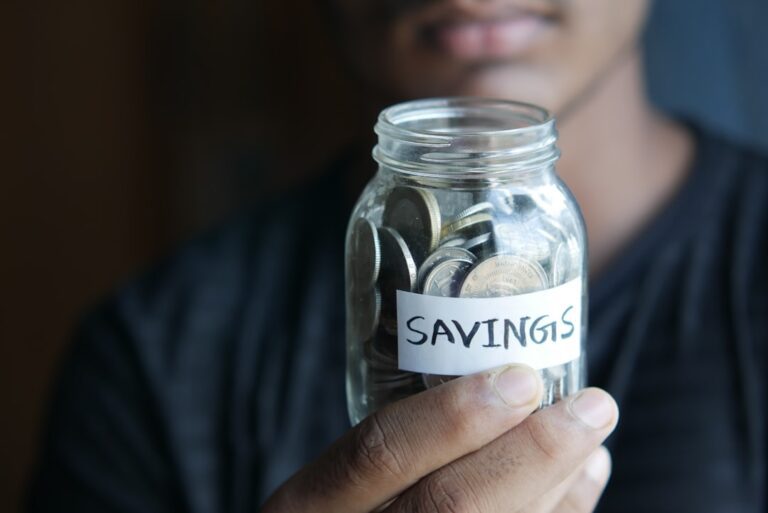
Treat your travel fund the same way you treat rent or utilities — non-negotiable and automated. Even $200 per month builds to $2,400 by year-end. That’s a solid international trip. Furthermore, automating the transfer removes the temptation to skip it during busy months.
- Open a dedicated high-yield savings account for travel only.
- Set up an automatic monthly transfer on payday.
- Label it with your next destination — psychological research shows named savings goals have significantly higher success rates.
Travel Slower to Spend Less
One of the least-discussed budget travel secrets is this: slowing down saves money. Spending five nights in one city instead of visiting five cities in five days cuts transportation costs dramatically. It also deepens the experience. Most travelers report that slow travel is more fulfilling, less exhausting, and considerably cheaper. This pairs particularly well with the growing workation trend — working remotely from a destination for two to four weeks at a time.
Frequently Asked Questions
What is the cheapest way to book flights for budget travel?
The most consistently effective strategy is to use Google Flights with flexible date search, set fare alerts for your route, and book 6–8 weeks ahead for domestic and 3–5 months ahead for international trips. Flying mid-week and using secondary airports also yields meaningful savings.
How much money do I need per day when traveling on a budget?
It depends heavily on the destination. In Southeast Asia or Eastern Europe, $40–$60 per day covers comfortable accommodation, food, and local transport. In Western Europe or Australia, budget for $80–$120 per day. These figures exclude flights and pre-booked tours.
Are travel credit cards worth it for budget travelers?
Absolutely — especially for professionals with consistent monthly spending. A single welcome bonus on a premium travel card can cover a round-trip international flight. The key is paying your balance in full every month so interest never erodes the value of your rewards.
Can I travel on a budget without staying in hostels?
Yes. Hostels are one option, but vacation rentals, house-sitting, loyalty program redemptions, and last-minute hotel apps like HotelTonight offer comfortable, private accommodations at budget-friendly prices. Many professionals prefer Airbnb apartments, which often include a kitchen and laundry — both of which reduce daily expenses.
What destinations offer the best value for budget travelers in 2026?
In 2026, top value destinations include Vietnam, Portugal, Mexico (beyond tourist zones), Georgia (the country), Colombia, and Indonesia. Each offers a combination of low daily costs, excellent food, rich culture, and good infrastructure for travelers.
Key Takeaways
- Plan and stay flexible. Booking flights at the right time and using fare alerts consistently cuts costs by 30–50%. Mid-week travel and secondary airports amplify those savings further.
- Optimize every spending category. Knowing how to travel on a budget means actively managing accommodation, food, transport, and currency fees — not just finding the cheapest flight. Each category has specific, repeatable tactics that compound into major savings.
- Treat travel as a system, not an event. Automated savings accounts, travel rewards cards, and slow travel strategies turn budget travel from a one-off hack into a sustainable, year-round lifestyle — one that supports your professional performance, not competes with it.

More from Life Stack
 Life Stack
How to Save Time Table: A Professional’s Guide
A cluttered, unprotected schedule is one of the biggest productivity killers for busy professionals. This guide breaks down exactly how...
 Life Stack
How to Move to a New City Without the Chaos
Moving to a new city is one of the biggest decisions a professional can make — and one of the...
 Life Stack
Mental Health Resources for Busy Professionals
Burnout, anxiety, and chronic stress are no longer fringe issues — they're occupational hazards for high-performing professionals. This guide breaks...