How to Focus Better at Work (That Actually Work)

You open your laptop. Within four minutes, you’ve checked Slack, glanced at your inbox, and mentally drafted a grocery list. Sound familiar? If you’ve been wondering how to focus better at work, you’re not dealing with a personal flaw — you’re fighting a system designed to fragment your attention. The good news is that focus is a skill. You can build it deliberately, strengthen it consistently, and protect it fiercely. This guide shows you exactly how.
Why Focus Has Become So Hard to Maintain
Before fixing a problem, you need to understand it. Attention fragmentation is the default state for most knowledge workers in 2026. The average professional switches tasks every 2 minutes and 5 seconds, according to research from the University of California, Irvine. After each interruption, it takes roughly 23 minutes to fully regain deep focus.
That math is brutal. Most people never actually reach deep work during a standard workday.
Several forces actively work against your concentration:
- Notification culture: Chat apps, email, and calendar pings interrupt your flow constantly.
- Open-plan environments: Background noise and visual movement drain cognitive resources.
- Task-switching habits: Multitasking feels productive but reduces output quality by up to 40%.
- Digital scroll loops: Short-form content has conditioned your brain to expect novelty every few seconds.
Understanding these forces makes it easier to counter them strategically — not just willpower your way through the day.
How to Focus Better at Work: Build Your Environment First
Your environment shapes your behavior more than your intentions do. Therefore, the single most leveraged move you can make is to design your workspace for focus before you need it.
Control the Physical Space
You don’t need a perfect office. You need a consistent one. Use these principles:
- Designate a focus zone. Even in a shared space, pick a specific chair or desk that signals “deep work” to your brain.
- Remove visual clutter. Studies link cluttered desks to elevated cortisol (the stress hormone) and lower task persistence.
- Use noise strategically. Brown noise or ambient café sounds work well for many people. Silence is ideal for complex analytical work. Try both and test your output.
- Block natural light from your screen. Eye strain increases fatigue and quietly degrades your concentration over hours.
Control the Digital Space
Physical environment is only half the equation. Furthermore, your digital setup may be doing more damage than your open-plan office ever could.
- Turn off all non-essential notifications during focus blocks — not just silence them, but disable them entirely.
- Use a separate browser profile for deep work with no bookmarks bar and no social tabs pinned.
- Install a website blocker like Freedom or Cold Turkey to enforce your own rules when willpower isn’t enough.
- Close your email client. Check it at scheduled intervals — not on demand.
Most importantly, stop treating your inbox as a to-do list. It’s someone else’s agenda, not yours.
The Time-Blocking Method: Structure That Protects Deep Work
Ad hoc scheduling is the enemy of focus. When you decide what to work on in the moment, you default to easy, low-stakes tasks. In contrast, time-blocking forces you to make intentional decisions in advance — when your prefrontal cortex is fresh.
How to Set Up a Time-Blocked Day
- Identify your peak cognitive hours. Most people experience their sharpest thinking 90–120 minutes after waking. Block this window for your hardest, most creative, or most important work.
- Schedule “deep work” blocks first. Treat them like external meetings. Don’t move them unless absolutely necessary.
- Group shallow tasks. Admin, emails, and Slack responses belong in a single batched window — not scattered throughout the day.
- Build a shutdown ritual. End each workday by reviewing tomorrow’s blocks. This closes open loops in your mind and reduces rumination at night.
Cal Newport, author of Deep Work, argues that the ability to perform focused, distraction-free work is one of the most valuable and increasingly rare skills in the modern economy. The professionals who master it simply outperform those who don’t.
For capturing and organizing your work sessions, a solid note-taking system helps enormously. Check out our review of the Best Note Taking Apps of 2026 to find the right tool for your workflow.
Mental Techniques to Sharpen Your Concentration
Environment and structure set the stage. However, your internal mental habits determine what actually happens when you sit down to work.
The 25-5 Rule (Pomodoro, Refined)
The classic Pomodoro Technique uses 25-minute work sprints followed by 5-minute breaks. It works because it removes the psychological weight of open-ended effort. When you know you only need to focus for 25 minutes, starting feels less daunting.
For 2026 professionals dealing with more complex, longer-horizon tasks, consider this refined version:
- 50-minute deep work block → 10-minute genuine break (no screens)
- 3 blocks = one complete focus session
- After three blocks, take a 30-minute recovery break — walk outside, eat, or move your body
Implementation Intentions
Research published in the Psychological Bulletin shows that if-then planning dramatically increases follow-through on goals. Instead of vague commitments like “I’ll focus more tomorrow,” write a specific statement:
“When I sit down at my desk at 8:30 AM, I will immediately open my project document and work on the client proposal for 50 minutes before checking any messages.”
This small shift reduces the decision-making friction at the start of each task. As a result, you spend less mental energy negotiating with yourself and more energy actually working.
Single-Tasking as a Practice
Single-tasking sounds obvious. In practice, it’s surprisingly difficult. Try this test: for the next 25 minutes, work on only one thing with every other tab, window, and app closed. Notice how many times the urge to switch arises. That urge is a reflex — and like any reflex, you can train it.
How to Focus Better at Work When You’re Already Burned Out
Sometimes the focus problem isn’t distraction — it’s depletion. If you’re struggling to concentrate despite a good environment and strong intentions, cognitive fatigue may be the real culprit.
Here’s how to address it directly:
- Audit your sleep. Sleep deprivation is the most common and most underestimated performance drain. Seven to nine hours is non-negotiable for sustained cognitive output.
- Move your body between blocks. Even a 10-minute walk increases cerebral blood flow and measurably improves focus on return. This isn’t optional self-care — it’s brain maintenance.
- Eat for steady energy. Blood sugar spikes and crashes destroy concentration. Favor protein, healthy fats, and complex carbs over quick sugars during your work window.
- Recognize decision fatigue. By mid-afternoon, many professionals have exhausted their best cognitive resources on low-value decisions. Reserve complex thinking for morning and schedule routine tasks in the afternoon.
Also worth examining: are you constantly switching contexts because of how your workload is structured? Learning to sharpen your critical thinking skills can help you triage tasks more effectively — so you spend your best attention on the work that actually matters.
Managing Interruptions From Other People
Not every distraction comes from your phone. Often, the biggest threat to your focus is your colleagues — and refusing their interruptions requires social confidence, not just discipline.
Set Visible Focus Signals
In open offices or hybrid environments, visibility matters. Use these simple cues:
- Wear over-ear headphones as a universal “do not disturb” signal.
- Set your status to “Deep Work — Back at [time]” in Slack or Teams.
- Block your calendar with labeled focus blocks so colleagues can see when you’re unavailable for non-urgent requests.
Respond, Don’t React
When someone interrupts you, your instinct is to respond immediately. Instead, practice the “note and defer” technique:
- Acknowledge the person briefly.
- Write down their request so neither of you forget it.
- Set a specific time to address it — ideally during your next shallow-work window.
This respects their need without destroying your focus block. Most requests that feel urgent in the moment genuinely aren’t.
Building a Long-Term Focus Practice
Isolated techniques help. However, what separates high performers from average ones is the consistency of their habits over months and years — not the novelty of their tactics.
Building a long-term focus practice means treating attention like a fitness goal. You wouldn’t expect one workout to make you fit. Similarly, one day of good focus doesn’t change your baseline.
Here’s a sustainable weekly structure to build from:
- Monday: Plan the week’s focus blocks in advance. Protect the top three priorities.
- Tuesday–Thursday: Execute your deepest work. These are your highest-leverage days — guard them fiercely.
- Friday: Reserve for reviews, admin, and lower-stakes tasks. Use it to prep next week’s structure.
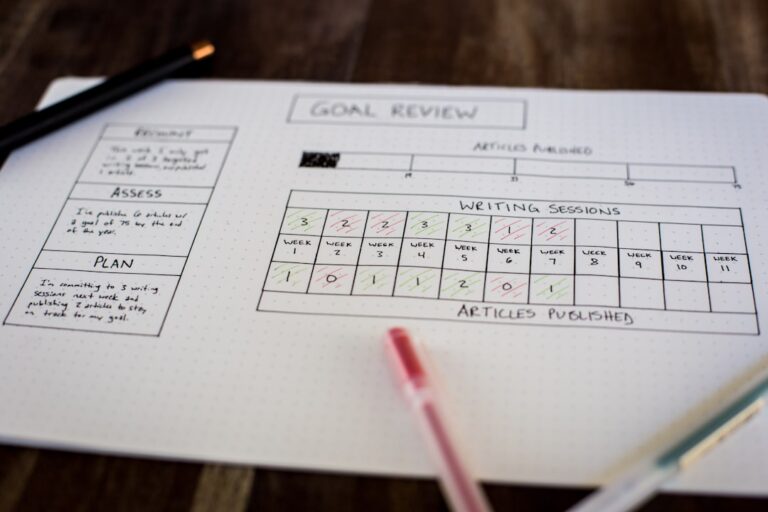
Furthermore, track your progress. Keep a simple weekly log of how many deep work hours you completed versus planned. Most professionals are shocked to discover they average fewer than 90 minutes of genuine focused work per day. That number, once visible, becomes a powerful motivator to change.
Key Takeaways
- Design before you discipline. Restructure your environment to make distraction harder and deep work easier — before relying on willpower.
- Schedule focus like a meeting. Time-blocking your deep work hours, batching shallow tasks, and using a shutdown ritual are the three structural habits that compound fastest.
- Treat focus as a skill, not a personality trait. With consistent practice, implementation intentions, and recovery built in, anyone can learn how to focus better at work — and sustain it.
Frequently Asked Questions
How long does it take to build better focus habits?
Most people notice meaningful improvement within two to three weeks of consistent practice. However, deeply ingrained habits — like compulsive phone checking — can take 60–90 days to reshape. Start with one structural change (such as turning off notifications) and add layers gradually rather than overhauling everything at once.
Is it better to work in complete silence or with background noise?
It depends on the task and the individual. Research suggests that moderate ambient noise (around 70 decibels — roughly the level of a busy café) can enhance creative thinking. In contrast, silence tends to serve complex analytical or writing tasks better. Experiment with both and measure your actual output, not just how you feel while working.
How do I stay focused in back-to-back meetings?
Back-to-back meetings destroy focus by eliminating transition time. Whenever possible, end meetings at the 50-minute mark instead of the hour — giving yourself a 10-minute buffer to capture notes, clear your head, and mentally prepare for the next task. Also, push back on meetings that don’t require your direct input. An email or a recorded update often achieves the same result.
Can diet and exercise really affect my ability to focus at work?
Yes — significantly. Even a single 20-minute aerobic exercise session has been shown to improve executive function and working memory for up to two hours afterward. Similarly, staying hydrated (even mild dehydration impairs cognition), avoiding heavy carbohydrate lunches, and limiting caffeine after noon are all evidence-backed ways to protect afternoon focus.
What should I do when my mind keeps wandering during a task?
Mind-wandering is normal — the brain defaults to its “default mode network” when it perceives low stimulation. Instead of fighting it with frustration, use a simple redirect: keep a small notepad beside you and write down whatever intrusive thought just pulled you away. This offloads the thought from working memory, satisfies the brain’s need to “file it,” and lets you return to your task cleanly. Over time, this practice trains sustained attention remarkably well.

More from Mind Stack
 Mind Stack
How to Focus Better: Proven Strategies That Work
Deep focus is a skill — and in 2026, it's one of the most valuable ones you can build. This...
 Mind Stack
Setting Goal Example: How to Set Goals That Stick
Most people set goals and abandon them within weeks. This guide breaks down every setting goal example you need —...
 Mind Stack
Critical Thinking Skills That Sharp Minds Master
Critical thinking skills separate reactive decision-makers from strategic ones. This guide breaks down the core habits, mental models, and daily...