Best Personal Finance Books 2026
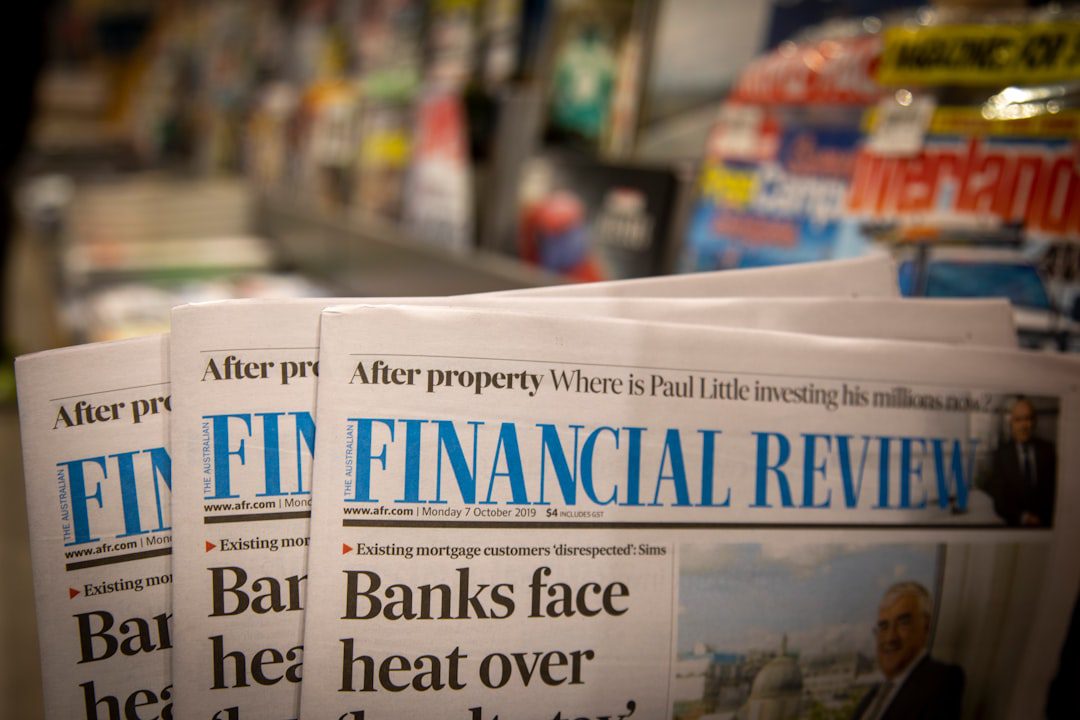
The Best Personal Finance Books 2026 Worth Reading Right Now
If you want to transform your relationship with money, few tools beat a great book. The best personal finance books 2026 has produced — or refreshed — cover everything from eliminating $30,000 in credit card debt to building a seven-figure investment portfolio on a modest salary. Moreover, the landscape of personal finance has shifted dramatically, with rising interest rates, evolving tax strategies, and new income-generating platforms making updated guidance more valuable than ever.
This list is not a random roundup. Each book was selected because it delivers actionable, specific advice that you can apply immediately. Furthermore, these titles span different financial stages — so whether you’re just starting out or optimizing an existing portfolio, there’s something here for you.
Let’s dive in.
Why Reading Personal Finance Books Still Matters in 2026
Apps, podcasts, and YouTube channels have exploded in recent years. However, books still offer something those formats can’t: depth, structure, and nuance. A well-written personal finance book forces you to sit with a concept long enough to actually understand it.
Consider this: according to the Federal Reserve’s Report on the Economic Well-Being of U.S. Households, a significant portion of American adults cannot cover a $400 emergency expense. That statistic hasn’t improved enough. In fact, financial literacy gaps remain one of the biggest barriers to wealth building.
Books close that gap. They provide frameworks, not just tips.
What Makes a Personal Finance Book Worth Your Time?
Not every personal finance book deserves your attention. Before adding a title to your reading list, ask yourself:
- Does it offer specific, step-by-step guidance rather than vague inspiration?
- Does the author have real credentials or lived experience?
- Does it address current financial conditions — not just advice from 20 years ago?
- Does it cover topics relevant to your situation — budgeting, investing, debt, or income?
With those criteria in mind, here are the standout titles making waves this year.
Top Personal Finance Books for Budgeting and Debt Freedom
Budgeting is the foundation of every sound financial plan. Therefore, starting with a book that nails this topic is non-negotiable.
1. “The Total Money Makeover” — Dave Ramsey
This classic remains one of the best personal finance books 2026 readers return to when they need a no-nonsense debt elimination plan. Ramsey’s “Baby Steps” framework is simple, sequential, and proven.
Best for: Anyone carrying consumer debt who needs a strict, structured plan.
Key takeaways from this book:
- Build a $1,000 emergency fund first — before attacking debt
- Use the debt snowball method to build psychological momentum
- Avoid financing anything except a mortgage
2. “Your Money or Your Life” — Vicki Robin
Robin’s book reframes money as a unit of life energy. In other words, every dollar you spend represents hours of your life. That mental shift alone changes how people budget.
Best for: Professionals who earn well but still feel financially stuck.
This book pairs beautifully with a minimalist lifestyle approach — spending less on what doesn’t matter so you can invest more in what does.
Best Books for Investing and Building Long-Term Wealth
Once your budget is under control, investing becomes the primary lever for wealth building. Fortunately, several outstanding books make this topic approachable — even for beginners.
3. “The Little Book of Common Sense Investing” — John C. Bogle
John Bogle, founder of Vanguard, built his entire legacy on one idea: low-cost index fund investing beats active management over time. This book makes that case with data, clarity, and conviction.
Best for: Anyone looking to start investing with minimal complexity.
- Index funds outperform most actively managed funds over 20+ years
- Fees matter enormously — even a 1% difference compounds into tens of thousands of dollars
- Time in the market beats timing the market, every time
4. “I Will Teach You to Be Rich” — Ramit Sethi
Sethi’s tone is direct, even blunt — and that’s exactly what makes this book work. Moreover, the 2026 edition includes updated guidance on high-yield savings accounts, Roth IRA strategies, and automating your finances for modern banking.
Best for: Millennials and Gen Z professionals who want a practical, modern investing roadmap.
Sethi’s six-week action plan includes:
- Open and optimize a Roth IRA
- Max out your 401(k) employer match — it’s free money
- Automate savings and investments so willpower isn’t required
- Negotiate your bills and subscriptions to free up cash flow
Speaking of negotiation — if you haven’t yet optimized your income, check out our guide on how to negotiate your salary and get what you’re worth.
5. “The Psychology of Money” — Morgan Housel
Perhaps the most widely recommended finance book in recent years, Housel’s masterpiece focuses on behavior, not math. He argues — convincingly — that how you think about money matters more than what you know about money.
Best for: Anyone who understands investing intellectually but struggles to follow through emotionally.
Standout concepts from the book:
- Wealth is what you don’t see — true wealth is unspent assets, not visible possessions
- Reasonable financial decisions beat optimal ones, because you’ll actually stick to them
- Risk tolerance changes with life circumstances — plan accordingly
Best Personal Finance Books 2026 for Building Side Income
Earning more is often the fastest path to financial freedom. As a result, books that focus on income generation deserve a prominent spot on this list.
6. “The $100 Startup” — Chris Guillebeau
Guillebeau studied 1,500 people who built profitable businesses with $100 or less. He then distilled their strategies into a repeatable framework. In 2026, the side hustle economy is stronger than ever — and this book remains one of the best guides for entering it.
Best for: Professionals wanting to launch a side income stream without quitting their day job.
- Focus on the intersection of your skills and market demand
- Start selling before you perfect the product
- Prioritize businesses with low overhead and high margins
7. “Profit First” — Mike Michalowicz
This book is technically for small business owners, but its principles apply to anyone managing irregular income. Michalowicz flips the traditional accounting formula: instead of Revenue – Expenses = Profit, he proposes Revenue – Profit = Expenses.
Best for: Freelancers, consultants, and side hustlers managing variable monthly income.
If you’re running a side business or building automation into your workflow, our post on Zapier automation ideas that save hours in 2026 pairs perfectly with this financial framework.
How to Get the Most Out of Every Finance Book You Read
Reading is only valuable if you implement what you learn. Therefore, a few high-leverage reading habits make a significant difference.
Build a Reading-to-Action System
Most people read a finance book, feel inspired, and then do nothing differently. Here’s a system that prevents that:
- Read with a highlighter — physical or digital. Mark anything you could act on within 30 days.
- Write one action per chapter — a single, specific task you’ll complete before reading the next chapter.
- Review your highlights monthly — memory fades fast. Revisiting key ideas keeps them active.
- Pair books with accountability — share what you’re reading with a colleague or partner who will ask you about your progress.
For more on retaining information from everything you read, our guide on memory improvement techniques offers practical, step-by-step methods.
Prioritize Based on Your Financial Stage
Reading the right book at the right time is critical. Here’s a quick roadmap:
- Stage 1 — Debt and budgeting crisis: Start with Ramsey or Robin
- Stage 2 — Stable but not investing: Start with Sethi or Bogle
- Stage 3 — Investing but emotionally reactive: Start with Housel
- Stage 4 — Ready to build income: Start with Guillebeau or Michalowicz
Also, don’t overlook credit management as a parallel priority. Our post on credit score improvement mistakes to avoid covers common pitfalls that can quietly undermine your financial progress.
Quick Comparison: Best Personal Finance Books 2026 at a Glance
Here’s a summary table to help you choose the right starting point.
- The Total Money Makeover — Best for: Debt elimination | Focus: Budgeting & cash flow
- Your Money or Your Life — Best for: Lifestyle design | Focus: Spending philosophy
- The Little Book of Common Sense Investing — Best for: Beginners | Focus: Index fund investing
- I Will Teach You to Be Rich — Best for: Young professionals | Focus: Automation & Roth IRA
- The Psychology of Money — Best for: Behavioral change | Focus: Money mindset
- The $100 Startup — Best for: Side hustlers | Focus: Income generation
- Profit First — Best for: Freelancers | Focus: Cash flow management
Frequently Asked Questions
What is the single best personal finance book for beginners in 2026?
“I Will Teach You to Be Rich” by Ramit Sethi is arguably the best starting point for beginners in 2026. It offers a clear, six-week action plan that covers budgeting, debt, investing, and automation in a modern, no-jargon format.
How many personal finance books should I read in a year?
Quality beats quantity. Reading two or three books deeply — and actually implementing the advice — will do more for your finances than skimming ten. Focus on one book per financial stage or goal.
Are personal finance books still relevant if I already use budgeting apps?
Absolutely. Apps help you track behavior, but books help you understand and change the thinking behind that behavior. Furthermore, books offer context and strategy that no app algorithm can replicate.
Which personal finance book is best for someone with irregular income?
“Profit First” by Mike Michalowicz is ideal for anyone with variable income, including freelancers, consultants, and gig workers. Its system is built specifically around income that doesn’t arrive in consistent monthly paychecks.
Can personal finance books actually help me build wealth, or are they just motivational?
The best ones do both — but the wealth building comes from implementation, not inspiration. Books like “The Little Book of Common Sense Investing” and “The Total Money Makeover” offer specific, proven systems. However, the reader must take action. A book read but not applied is just entertainment.
Key Takeaways
Summary: What to Remember From This Guide
- Match the book to your financial stage. The best personal finance books 2026 readers should prioritize depend entirely on where you are — not where you want to be eventually. Start with your most urgent problem: debt, investing, or income.
- Behavior beats knowledge. “The Psychology of Money” makes this point better than any other book on this list. Most financial failure is not an information problem — it’s a behavior problem. Read accordingly.
- Implement as you read. The ROI on a $20 finance book is enormous — but only if you act on it. Use the reading-to-action system outlined above to turn pages into progress.

More from Money Stack
 Money Stack
Emergency Fund Guidelines That Actually Work
Most people think they have a financial safety net — until they actually need one. These emergency fund guidelines break...
 Money Stack
How to Build Wealth in Your 20s: A Real Guide
Your 20s are the most powerful decade for building lasting wealth — but only if you use them wisely. This...
 Money Stack
Emergency Fund Guidance for Every Income Level
An emergency fund is the foundation of every solid financial plan — but most people either underestimate it or skip...