Cover Letter Tips That Get You Noticed in 2026
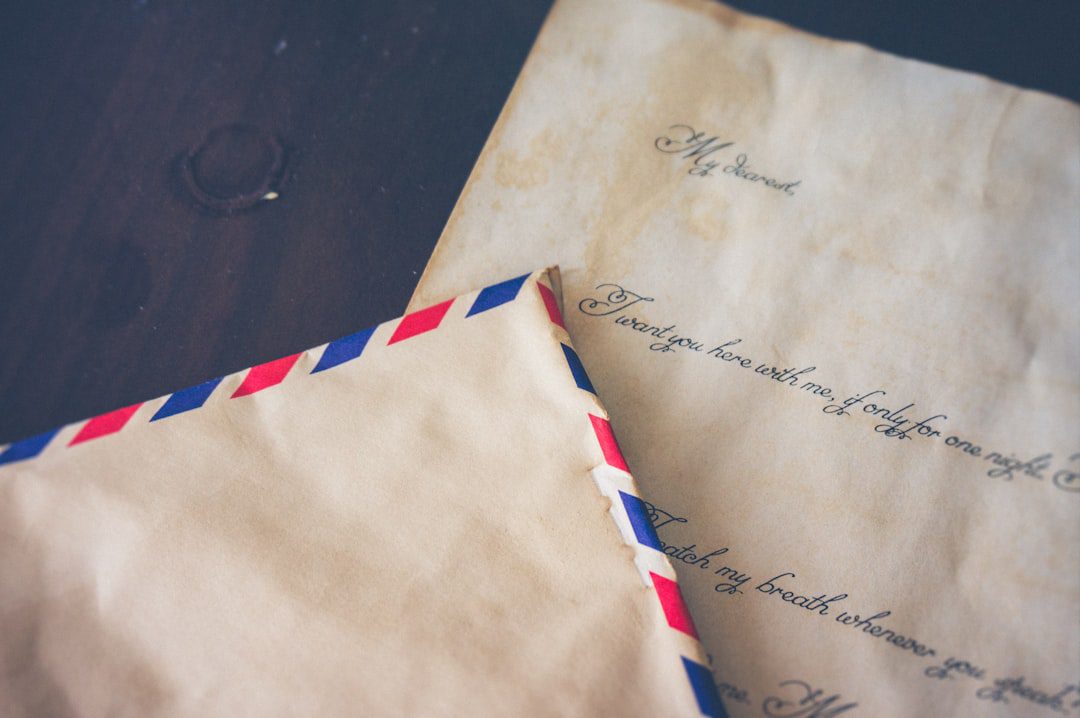
Why Most Cover Letters Fail Before They’re Read
You spent two hours polishing your resume. Then you dashed off a generic cover letter in five minutes and hoped for the best. Sound familiar? The truth is, strong cover letter tips can be the difference between landing an interview and getting auto-rejected. According to a 2026 survey by the Society for Human Resource Management (SHRM), 83% of HR professionals say a well-written cover letter still influences their hiring decisions — even when one isn’t required. That means every cover letter is an opportunity most candidates waste.
In this guide, you’ll find actionable, field-tested advice. Furthermore, each tip is designed to work whether you’re applying for a corporate role, a remote position, or a freelance contract.
Cover Letter Tips That Set the Foundation Right
Before you write a single sentence, you need a solid framework. Most applicants skip this step entirely. As a result, their letters feel scattered and forgettable.
Here’s the structure every effective cover letter should follow:
- Opening paragraph: Hook the reader with a specific, relevant insight or accomplishment.
- Body paragraph 1: Connect your skills directly to the job’s core requirements.
- Body paragraph 2: Show cultural fit and genuine interest in the company.
- Closing paragraph: Make a clear, confident call to action.
Most importantly, keep the entire letter to one page — ideally under 400 words. Hiring managers don’t have time for essays. Short, sharp, and specific wins every time.
Format Matters More Than You Think
Use a clean, readable font like Calibri or Georgia at 11–12pt. Match the formatting style to your resume for a cohesive professional package. In addition, always save and send it as a PDF unless the job posting specifies otherwise.
- Margins: 1 inch on all sides
- Spacing: Single-spaced with a line break between paragraphs
- File name:
FirstName-LastName-CoverLetter.pdf - Header: Match your resume header exactly
How to Open a Cover Letter With Instant Impact
The first sentence is your only guaranteed read. Therefore, don’t waste it on “I am writing to apply for the position of…” That opener is the cover letter equivalent of a firm handshake with a limp grip.
Instead, try one of these proven opening frameworks:
- The accomplishment hook: “In my last role, I reduced customer churn by 34% in six months — and I’d love to bring that same approach to [Company Name].”
- The company-specific hook: “I’ve followed [Company Name]’s expansion into Southeast Asia for the past year. Your approach to localization is exactly the challenge I want to help solve.”
- The referral hook: “Jane Smith, your VP of Marketing, suggested I reach out about your Senior Copywriter opening.”
Notice what all three have in common. They’re specific, confident, and immediately relevant. Moreover, they make the reader feel like this letter was written for them — not copy-pasted from a template.
What NOT to Say in Your Opening
Avoid these tired openers at all costs:
- “I am very excited to apply…”
- “Please find attached my resume…”
- “I believe I would be a great fit for this role…”
- “I have always been passionate about [industry]…”
These phrases signal laziness. Recruiters see them hundreds of times per week. As a result, they trigger an immediate mental check-out.
Tailoring: The Most Underused of All Cover Letter Tips
Generic cover letters don’t work. Full stop. Yet the majority of candidates send the same letter — slightly tweaked — to every employer they contact.
Tailoring your letter isn’t just about swapping the company name. It means mirroring the job posting’s language, addressing the company’s specific pain points, and demonstrating that you understand their world.
Here’s a simple tailoring process that takes under 15 minutes:
- Copy the job description into a document and highlight the 5 most repeated skills or qualities.
- Match each one to a specific example from your own experience.
- Research the company — check their blog, LinkedIn, and recent press releases.
- Find one specific detail — a product launch, a values statement, a recent hire — and reference it naturally in the letter.
- Rewrite your opening paragraph using the language and tone the company uses publicly.
For example, if the job posting uses the phrase “cross-functional collaboration” three times, use that exact phrase — not “teamwork” or “working with different teams.” This signals fluency in their culture.
Remote and Freelance Jobs Require Extra Specificity
If you’re applying for a remote or freelance position, tailoring becomes even more critical. Hiring managers for remote roles need proof that you can communicate clearly and manage yourself independently. Therefore, mention specific tools you use (Notion, Slack, Asana), your time zone flexibility, and any previous async work experience.
For more strategies on landing and thriving in remote roles, check out our guide on Remote Work Tips: Mistakes to Avoid in 2026.
Quantify Everything: The Numbers Game in Cover Letters
Vague claims kill credibility. “I improved sales performance” tells a hiring manager nothing. However, “I increased quarterly sales by 22% within my first 90 days” tells a compelling story.
Numbers do several things at once. First, they make your accomplishments concrete. Second, they show you measure your own performance. Third, they give the reader something memorable to hold onto when they review 50 other letters.
Here’s how to find quantifiable wins even in non-sales roles:
- Volume: “Managed a content calendar for 3 brands, publishing 40+ pieces per month.”
- Time saved: “Automated reporting processes, saving the team 6 hours per week.”
- Growth: “Grew the company newsletter from 800 to 5,400 subscribers in 8 months.”
- Cost reduction: “Renegotiated vendor contracts, cutting annual spend by $18,000.”
- Satisfaction: “Maintained a 4.9/5 client satisfaction score across 60+ projects.”
Furthermore, if you don’t have exact figures, use ranges or approximations — just be honest. “Approximately 30%” is more credible than a suspiciously round “50%.”
Tone and Voice: Sound Like a Human, Not a Robot
One of the most overlooked cover letter tips involves tone. Many professionals write cover letters that sound stiff, overly formal, and robotic. In fact, the best cover letters sound like a confident professional speaking directly to the reader.
Read your letter out loud. If you stumble over a sentence, rewrite it. If you’d never say a phrase in conversation, cut it.
Common Tone Mistakes to Eliminate
- Overusing jargon: “Leveraged synergistic paradigms to optimize stakeholder deliverables.” Just… no.
- False humility: “I know I may not be the most qualified candidate, but…” Stop underselling yourself.
- Desperation: “I would be incredibly grateful for any opportunity…” Confident candidates attract opportunities.
- Flattery overload: “Your company is truly amazing and I am in awe of…” One genuine compliment is enough.
On the other hand, controlled confidence reads extremely well. Phrases like “I’m confident I can…”, “My experience positions me to…”, and “I’d welcome the chance to discuss…” project the right energy.
The Closing Paragraph: Don’t End With a Whimper
Your closing is your final impression. Most candidates close with something passive and forgettable: “I look forward to hearing from you at your earliest convenience.” This signals that you’re waiting — not leading.
Instead, use a confident, action-oriented close. Here are three strong closing formulas:
- The next-step close: “I’d love to set up a 20-minute call to discuss how my background in [X] aligns with your goals. I’m available Tuesday or Thursday afternoon this week.”
- The value-forward close: “I’ve put together a few initial ideas about [specific challenge]. I’d be happy to walk through them in an interview.”
- The referral close: “I’ll follow up next Wednesday to ensure you received my application. Of course, feel free to reach me directly at [email/phone] in the meantime.”
Notice that each close is specific and proactive. Moreover, each one makes it easy for the reader to say yes.
Quick-Reference Cover Letter Tips Checklist
Use this before you hit send on every application. Consider it your pre-flight checklist for every cover letter you write in 2026.
- ✅ Addressed to a specific person (not “To Whom It May Concern”)
- ✅ Opening hook is specific and compelling
- ✅ Company name and role are spelled correctly — everywhere
- ✅ At least two quantified accomplishments included
- ✅ Mirrors language from the job description naturally
- ✅ One specific company detail referenced (product, value, news)
- ✅ Under 400 words total
- ✅ Read aloud and sounds natural
- ✅ Closing is confident and action-oriented
- ✅ Saved as PDF with a professional file name
- ✅ Proofread at least twice (ideally by a second set of eyes)
📌 Key Takeaways
- Tailor every letter. Generic applications get generic results. Spend 15 minutes researching each company before you write a single word.
- Lead with numbers. Quantified accomplishments make you memorable. If you can measure it, mention it — with specifics.
- Close with confidence. Propose a next step, suggest a time to talk, and sound like someone who expects to be hired — because you should.
Frequently Asked Questions
How long should a cover letter be in 2026?
Keep your cover letter to a single page — ideally between 250 and 400 words. Hiring managers scan quickly. Therefore, every sentence needs to earn its place. Three to four short paragraphs is the sweet spot for most roles.
Should I write a cover letter if the job posting says it’s optional?
Yes — always. “Optional” is a test. Candidates who submit a strong, tailored letter when it isn’t required immediately signal extra effort and genuine interest. In fact, many hiring managers use the cover letter to decide who gets a closer look, even when they publicly call it optional.
What are the most important cover letter tips for career changers?
Career changers should focus on transferable skills and lead with a clear, confident narrative. Don’t apologize for switching industries. Instead, frame your background as a unique advantage. For example, a teacher moving into instructional design brings real classroom insight that a pure corporate trainer might lack. Address the shift directly — briefly — and then move on to your value.
How do I find the hiring manager’s name to personalize my letter?
Start with LinkedIn — search the company name plus the relevant department or job title. Check the company’s “About” or “Team” page. In addition, try calling the company’s main number and asking who manages the hiring for the specific department. Most companies are happy to share this information. Even a first name works well: “Dear Sarah,” beats “Dear Hiring Manager” every time.
Do cover letter tips differ for freelance or contract applications?
Somewhat, yes. For freelance roles, your cover letter should function more like a brief pitch. Lead with a relevant portfolio example, state your availability and rate range (if appropriate), and demonstrate that you understand the client’s specific problem. Moreover, emphasize your ability to work independently and communicate asynchronously — these are top concerns for any client hiring a remote freelancer.

More from Career Stack
 Career Stack
Building Professional Network: The 2026 Guide
Building a professional network is no longer optional — it's the career infrastructure that separates thriving professionals from stagnant ones....
 Career Stack
Building Professional Network: The 2026 Guide
Building a professional network in 2026 takes more than collecting LinkedIn connections. This guide breaks down exactly how to create...
 Career Stack
Freelance Portfolio Tips for Beginners That Work
Building a freelance portfolio from scratch feels overwhelming, but it doesn't have to be. This guide breaks down the most...