Cryptocurrency Basics for Beginners: 2026 Guide
Why Crypto Still Matters in 2026
If you’ve been meaning to learn cryptocurrency basics for beginners but kept putting it off, 2026 is the year to stop waiting. Crypto has moved well past the “early adopter” phase. Major banks offer crypto custody services. Retirement accounts now include Bitcoin options. And everyday professionals — teachers, nurses, marketers — are quietly building crypto portfolios alongside their 401(k)s.
This guide gives you the honest, no-hype foundation you actually need. Furthermore, it’s built specifically for people who don’t have a finance degree and don’t want one.
By the end, you’ll understand what crypto is, how it works, how to buy it safely, and how to think about risk. Let’s get into it.
—
Cryptocurrency Basics for Beginners: What Is Crypto, Really?
Cryptocurrency is digital money secured by cryptography. Unlike the dollars in your bank account, no government or central bank controls it. Instead, it runs on a decentralized network of computers around the world.
Think of it this way. When you send $200 through your bank, your bank verifies and records that transaction. With crypto, thousands of computers simultaneously verify and record it — and no single party can alter that record.
The Three Core Concepts You Must Know
- Blockchain: A public ledger that permanently records every transaction. Every block of data links to the previous one, forming a chain. Tampering with one block breaks the entire chain, making fraud extremely difficult.
- Decentralization: No CEO, no headquarters, no central server. The network runs on thousands of independent computers (called nodes) globally.
- Cryptography: Advanced math secures every transaction. Your wallet uses a private key — essentially a unique password — to authorize spending.
In short, crypto combines digital finance with military-grade security and removes the middleman entirely.
—
The Most Important Cryptocurrencies in 2026
There are over 20,000 cryptocurrencies listed on various exchanges. However, most of them are speculative at best and scams at worst. For beginners, focus on the established players first.
Bitcoin (BTC)
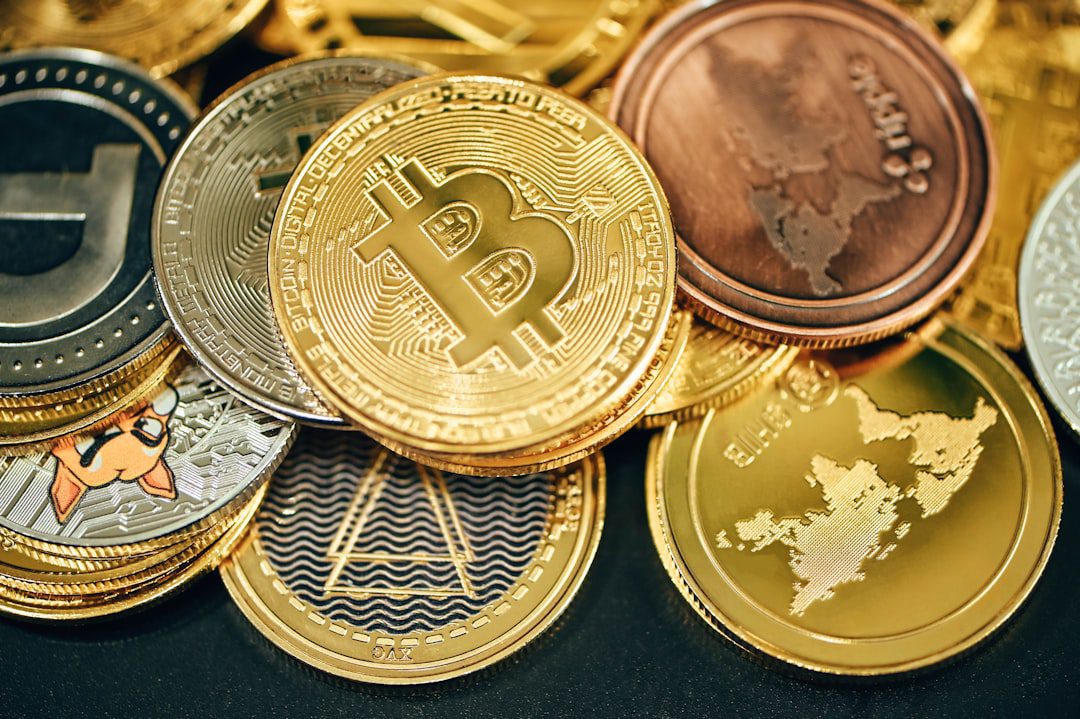
Bitcoin is the original cryptocurrency, launched in 2009. It has the largest market cap, the widest institutional adoption, and the longest track record. Many investors treat it like “digital gold” — a store of value rather than a daily currency.
Ethereum (ETH)
Ethereum is more than just a currency. It’s a programmable blockchain that powers smart contracts and decentralized applications (dApps). In fact, most of the DeFi (decentralized finance) ecosystem runs on Ethereum.
Stablecoins (USDC, USDT)
Stablecoins are cryptocurrencies pegged to a stable asset — usually the US dollar. Therefore, 1 USDC always equals approximately $1.00. They’re useful for moving money quickly without exposure to price swings.
A Quick Word on Altcoins
Everything beyond Bitcoin and Ethereum falls under “altcoins.” Some — like Solana or Chainlink — have genuine use cases. Others are purely speculative. As a beginner, treat altcoins as a small, high-risk slice of your portfolio, not the foundation.
—
How Crypto Wallets Work (And Why You Need One)
A crypto wallet doesn’t store your coins the way a physical wallet stores cash. Instead, it stores your private keys — the credentials that prove ownership on the blockchain. Lose your private key, and you lose access to your crypto permanently.
Two Main Types of Wallets
- Hot Wallets (Software): Apps like MetaMask, Trust Wallet, or Coinbase Wallet. They connect to the internet, making them convenient but more vulnerable to hacks. Best for smaller, active holdings.
- Cold Wallets (Hardware): Physical devices like Ledger or Trezor that store keys offline. Much more secure. Best for larger, long-term holdings you don’t need daily access to.
Most beginners start with a hot wallet or simply leave funds on an exchange. However, as your holdings grow, moving to a hardware wallet is strongly recommended.
The golden rule of crypto: Not your keys, not your coins. If an exchange holds your crypto and goes bankrupt — as several did in the early 2020s — you could lose everything.
—
Cryptocurrency Basics for Beginners: How to Actually Buy Crypto
Ready to make your first purchase? Good. The process is simpler than most people expect. Here’s a step-by-step breakdown.
- Choose a reputable exchange. Coinbase, Kraken, and Gemini are among the most regulated and user-friendly platforms available in 2026. Each is registered with US financial regulators and offers beginner-friendly interfaces.
- Create and verify your account. You’ll need a government-issued ID and sometimes a selfie for identity verification. This process typically takes 10–30 minutes.
- Fund your account. Link your bank account or debit card. Most exchanges allow you to start with as little as $10.
- Place your first buy order. Search for Bitcoin or Ethereum. Choose “market order” to buy at the current price, or “limit order” to set a target price.
- Decide on storage. For small amounts, leaving crypto on the exchange is acceptable. For larger amounts, transfer to a personal wallet.
According to the U.S. Securities and Exchange Commission’s investor education portal, investors should always research platforms carefully and understand the risks before purchasing any digital asset.
Additionally, consider using dollar-cost averaging (DCA) — investing a fixed amount (say, $50) on a regular schedule regardless of price. This strategy removes the emotional pressure of trying to “time the market.”
—
Understanding Crypto Risk: What Beginners Often Ignore
Let’s be direct. Crypto is volatile. Bitcoin has dropped 50% or more in a single year — multiple times — before recovering to new highs. Therefore, you should only invest money you can afford to lose entirely.
The Risk Categories to Know
- Market risk: Prices can drop dramatically and quickly. A 30% swing in a week is not unusual.
- Liquidity risk: Some smaller coins can become nearly impossible to sell during a market downturn.
- Regulatory risk: Governments continue evolving crypto regulations. New rules could impact certain coins or platforms.
- Security risk: Hacks, phishing scams, and fake exchanges are real threats. Always enable two-factor authentication (2FA).
- Scam risk: If someone promises guaranteed returns or a “once-in-a-lifetime” token, it’s almost certainly a scam.
How Much Should Beginners Invest?
A commonly cited guideline is to keep crypto at no more than 5–10% of your total investment portfolio. Most importantly, build your emergency fund and contribute to your retirement accounts first. Crypto works best as a growth-oriented supplement — not a financial foundation.
For more strategies on building multiple income streams beyond crypto, check out our guide on how to make money online with proven methods in 2026.
—
Taxes, Regulations, and the Legal Side of Crypto in 2026
Many beginners overlook this. In the United States, the IRS treats cryptocurrency as property, not currency. That means every time you sell, trade, or spend crypto, you trigger a taxable event.
Key Tax Points for Crypto Beginners
- Capital gains tax applies when you sell crypto for a profit. Short-term gains (held under 1 year) are taxed as ordinary income. Long-term gains (held over 1 year) receive more favorable rates.
- Every trade counts. Swapping Bitcoin for Ethereum is a taxable event, not just cashing out to dollars.
- Record keeping is your responsibility. Use crypto tax software like Koinly or CoinTracker to automatically track your transactions.
- Losses can help. Capital losses offset capital gains. Many investors strategically “harvest” losses during downturns to reduce their tax bill.
Furthermore, regulations around crypto continue to evolve in 2026. Several countries now require exchanges to report user activity directly to tax authorities. Staying compliant isn’t optional — it’s essential.
—
Frequently Asked Questions
How much money do I need to start investing in cryptocurrency?
Most exchanges allow you to start with as little as $10. However, $50–$100 gives you enough to meaningfully practice buying, holding, and transferring crypto without risking significant money. Start small, learn the mechanics, then scale up as your confidence grows.
Is cryptocurrency safe for beginners?
Crypto carries real risks — price volatility, scams, and security vulnerabilities. That said, it becomes much safer when you use regulated exchanges, enable two-factor authentication, and store larger holdings in a hardware wallet. Treat it as a high-risk asset class, not a savings account.
What is the best cryptocurrency for beginners to buy first?
Bitcoin (BTC) and Ethereum (ETH) are the two most widely recommended starting points. Both have long track records, deep liquidity, and broad institutional support. Avoid chasing unknown altcoins until you fully understand the fundamentals.
Can I lose all my money in cryptocurrency?
Yes — particularly with smaller altcoins that can go to zero. Even Bitcoin has experienced 80%+ drawdowns from peak prices. This is why most financial advisors recommend limiting crypto to a small percentage of your overall portfolio and only investing what you can afford to lose.
Do I have to pay taxes on cryptocurrency?
In the United States, yes. The IRS classifies crypto as property, so selling, trading, or spending it triggers a taxable event. Keep detailed records of every transaction. Consider using dedicated crypto tax software to make reporting accurate and straightforward.
—
Your Next Steps: A Beginner’s Action Plan
Learning cryptocurrency basics for beginners is only valuable if it leads to action. Here’s a simple, low-risk plan to get started this week.
- This week: Open a free account on Coinbase or Kraken. Verify your identity. Explore the interface without buying anything yet.
- Next week: Purchase $25–$50 of Bitcoin using dollar-cost averaging. Observe how the price moves and how the platform works.
- This month: Research Ethereum. Read your exchange’s security guides. Enable two-factor authentication on every account you use.
- In 3 months: Evaluate whether crypto fits your broader financial goals. If you’ve invested consistently and understand the risks, consider a small hardware wallet for added security.
Above all, remember that patience is the most underrated skill in crypto investing. The investors who succeed long-term are rarely the ones chasing hot tips — they’re the ones who understood the basics, managed their risk, and stayed consistent.
—
Key Takeaways
- ✅ Crypto is decentralized digital money secured by cryptography and recorded on a blockchain. Bitcoin and Ethereum are the safest starting points for beginners.
- ✅ Start small and stay secure. Use regulated exchanges, enable 2FA, and move larger holdings to a hardware wallet as your portfolio grows.
- ✅ Risk management is non-negotiable. Only invest what you can afford to lose, limit crypto to 5–10% of your portfolio, and always keep records for tax purposes.

More from Money Stack
 Money Stack
Emergency Fund Guide: Build Your Safety Net
An emergency fund is your first line of defense against financial disaster. This guide walks you through exactly how much...
 Money Stack
How to Negotiate Bills 2026 and Save Big
Knowing how to negotiate bills in 2026 is one of the fastest ways to free up cash without earning a...
 Money Stack
Emergency Fund Guide: Build Your Safety Net Fast
An emergency fund is the single most powerful financial buffer you can build. This emergency fund guide walks you through...