Customer Acquisition Strategies That Actually Work
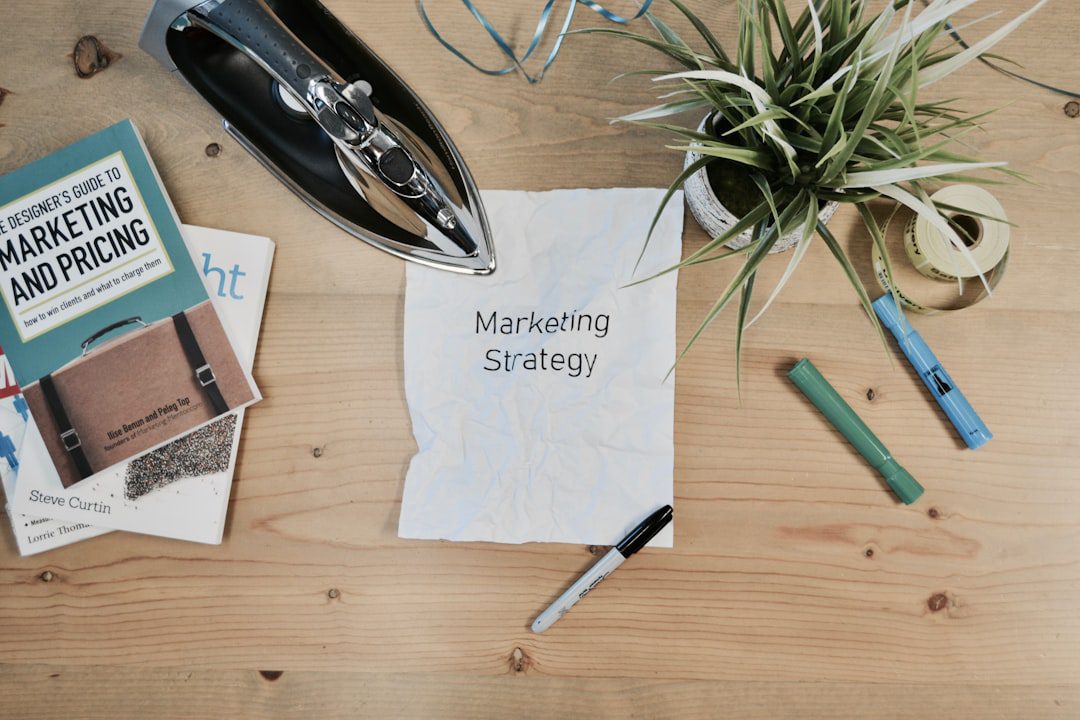
Every business owner faces the same core challenge: how do you find customers who actually want what you sell? Mastering customer acquisition strategies is the difference between a business that thrives and one that slowly fades out. In 2026, the playing field has shifted — buyers are savvier, channels are more fragmented, and competition is fiercer than ever. However, the fundamentals of winning new customers remain surprisingly human. This guide gives you the strategic framework and tactical playbook to bring in more of the right customers, consistently.
Why Most Customer Acquisition Strategies Fail
Most businesses don’t fail because their product is bad. They fail because they rely on one or two acquisition channels and never build a system. A single channel is a single point of failure.
Here’s what typically goes wrong:
- No defined target customer: Trying to market to everyone means connecting with no one.
- Chasing vanity metrics: Follower counts and impressions don’t pay the bills — conversions do.
- Ignoring acquisition cost: Spending $200 to acquire a $50 customer is a losing game.
- No follow-up system: Most leads require 5–8 touchpoints before converting. Most businesses give up after two.
Therefore, before you pick a single tactic, you need a clear strategy. That means knowing your Customer Acquisition Cost (CAC), your Customer Lifetime Value (CLV), and your ideal customer profile inside and out.
According to Harvard Business Review, acquiring a new customer can cost five to seven times more than retaining an existing one. In other words, every customer you win needs to be worth the investment.
Build a Foundation: Know Your Ideal Customer First
Before deploying any customer acquisition strategy, you need radical clarity on who you’re targeting. This isn’t a one-time exercise — it’s an ongoing discipline.
Create a Sharp Customer Profile
Your ideal customer profile should answer these questions:
- What problem are they desperately trying to solve?
- Where do they spend time online and offline?
- What language do they use to describe their pain?
- What objections do they have before buying?
- What does success look like for them?
For example, a freelance web designer targeting local restaurants should know that their ideal client worries about slow seasons, not website bounce rates. That insight changes everything — from ad copy to sales conversations.
Segment Your Audience
Not all customers are created equal. Therefore, segment your audience by purchase intent, budget, and urgency. Focus your highest-effort acquisition tactics on the segment most likely to convert quickly and stay longest.
Top Customer Acquisition Strategies for 2026
These aren’t theoretical frameworks. Each of the following customer acquisition strategies has been proven to generate real results for real businesses. Of course, not every tactic will suit every business — choose based on your audience, budget, and bandwidth.
1. Content Marketing With a Conversion Focus
Content marketing remains one of the highest-ROI acquisition channels available. However, most businesses create content without a clear conversion goal in mind. That’s a mistake.
Effective content marketing in 2026 looks like this:
- SEO-optimized blog posts that target buyer-intent keywords (not just informational ones)
- Lead magnets embedded within content — checklists, templates, mini-courses
- Case studies that walk readers through a problem-solution-result narrative
- Video content on YouTube, which functions as a long-term search asset
For instance, a business coach who publishes a post titled “How to Get Your First 10 Clients as a Freelancer” can attract exactly the audience ready to invest in coaching — and offer a free discovery call as the next step.
2. Referral Programs That Reward Action
Word-of-mouth is the oldest customer acquisition strategy in existence. In 2026, smart businesses formalize it with referral programs that incentivize sharing.
A strong referral program includes:
- A compelling incentive — cash, credits, discounts, or exclusive access
- A frictionless sharing mechanism — one-click links, pre-written messages
- Timely reward delivery — don’t make people wait weeks to feel appreciated
- Clear communication — customers should always know their referral status
Dropbox famously grew from 100,000 to 4 million users in 15 months using a simple referral model. The principle still works — it just needs to be built intentionally.
3. Strategic Paid Advertising
Paid ads are fast. They’re also expensive if you don’t know what you’re doing. However, with the right targeting and a solid landing page, paid advertising is one of the most scalable customer acquisition strategies available.
Key principles for paid ad success in 2026:
- Start with retargeting — warm audiences convert at a fraction of the cost of cold traffic
- Match ad creative to audience intent — awareness ads look different from conversion ads
- Track CAC ruthlessly — know your numbers before scaling spend
- Test multiple creatives — even a 20% improvement in click-through rate compounds significantly
Meta, Google, and LinkedIn remain the dominant paid channels. Furthermore, TikTok’s ad platform has matured significantly and works well for B2C brands targeting under-40 audiences.
4. Partnership and Co-Marketing Deals
One of the most underused customer acquisition strategies is strategic partnerships. Find businesses that serve your exact audience but don’t compete with you. Then create mutual value.
Partnership models that work:
- Joint webinars or workshops — share audiences, share leads
- Bundle deals — combine complementary products or services for a special offer
- Affiliate arrangements — pay a commission for every referred customer who converts
- Guest content exchanges — write for each other’s audiences to build reach and credibility
For example, a virtual bookkeeper could partner with a business attorney to co-host a free workshop on “Setting Up Your Business Legally and Financially.” Both parties bring their audiences — and both walk away with warm leads.
5. Community Building and Social Proof
In 2026, buyers trust communities more than brands. As a result, building or participating in communities around your niche is a powerful long-term acquisition lever.
Here’s how to approach it:
- Start a niche newsletter or podcast — owned audiences are immune to algorithm changes. (See our guide on how to start a podcast in 2026 if this is a channel you want to build.)
- Create a free community — Slack groups, Discord servers, or Circle communities work well
- Collect and display social proof — reviews, testimonials, and case studies at every decision point
- Show up consistently in existing communities — forums, Reddit threads, LinkedIn groups
Social proof isn’t just about star ratings. Moreover, video testimonials, before-and-after stories, and user-generated content all signal trust to new potential customers.
6. Email Marketing as an Acquisition Engine
Most people think of email as a retention tool. In fact, it’s one of the most cost-effective customer acquisition strategies when used to nurture cold and warm leads into paying customers.
Build your acquisition email engine with:
- A high-value lead magnet that attracts your ideal customer
- A welcome sequence (5–7 emails) that builds trust and addresses objections
- Regular value-first newsletters that keep leads warm without being pushy
- Behavior-triggered sequences — send targeted emails based on what subscribers click or view
Email consistently delivers an average ROI of $36–$42 for every $1 spent. Furthermore, your email list is an asset you own — unlike social media followers who can disappear overnight.
How to Choose the Right Customer Acquisition Mix
Here’s the truth: no single acquisition strategy works forever. Markets change. Algorithms shift. Costs fluctuate. Therefore, smart businesses build a diversified acquisition portfolio.
Use this simple framework to allocate your efforts:
- High intent, low cost: SEO content, referrals, email marketing — prioritize these first
- High intent, higher cost: Paid search, paid social — scale once CAC is proven
- Low intent, high reach: Social media, podcasts, community building — play the long game
- Relationship-driven: Partnerships, networking, affiliate deals — invest consistently
Most businesses do best with two to three primary channels and one or two secondary channels they’re actively developing. Trying to do everything at once is a recipe for mediocre results everywhere.
Measure What Matters: Key Acquisition Metrics
Effective customer acquisition strategies require honest tracking. Without data, you’re guessing. With it, you’re making decisions.
Track these metrics religiously:
- Customer Acquisition Cost (CAC): Total spend ÷ number of new customers acquired
- Customer Lifetime Value (CLV): Average purchase value × purchase frequency × average customer lifespan
- CLV:CAC Ratio: Aim for at least 3:1 — meaning the customer is worth 3× what they cost to acquire
- Conversion Rate by Channel: Which channels bring the highest-quality leads?
- Time to Conversion: How long does it take a lead to become a customer?
- Churn Rate: High churn undermines every acquisition effort — monitor it monthly
Additionally, review your acquisition data quarterly. Drop channels that consistently underperform and double down on those that deliver your best CLV:CAC ratio.
If you’re still building the financial literacy to interpret these numbers confidently, our guide on investing for beginners in 2026 covers foundational concepts in evaluating business metrics and returns.
Common Customer Acquisition Mistakes to Avoid
Even experienced entrepreneurs make these errors. Avoid them and you’ll move faster than most of your competitors.
- Skipping the follow-up: A lead who doesn’t buy today isn’t a lost cause. Nurture them.
- Ignoring existing customers as an acquisition channel: Happy customers refer others — but only if you ask.
- Optimizing for clicks instead of customers: A 10% conversion rate on 100 visitors beats 0.5% on 10,000.
- Not testing offers: Sometimes a pricing change or a bonus addition dramatically improves acquisition rates.
- Building on rented land: Over-reliance on any single platform (Instagram, TikTok, Google) puts your business at risk.
Most importantly, treat customer acquisition as a system — not a campaign. Systems compound. Campaigns expire.
Frequently Asked Questions
What is a customer acquisition strategy?
A customer acquisition strategy is a planned approach a business uses to attract and convert new customers. It typically combines marketing tactics, sales processes, and channel selection to bring in qualified leads at a sustainable cost. Effective strategies are measurable, repeatable, and aligned with the business’s target audience.
What is a good Customer Acquisition Cost (CAC)?
A good CAC depends on your Customer Lifetime Value (CLV). As a general benchmark, a CLV:CAC ratio of 3:1 or higher is considered healthy — meaning you earn at least $3 for every $1 spent acquiring a customer. SaaS businesses often aim higher, while e-commerce businesses may work with tighter margins.
Which customer acquisition channel has the best ROI in 2026?
Email marketing and SEO-driven content consistently deliver the highest long-term ROI for most businesses. However, referral programs often produce the highest-quality customers with the lowest acquisition costs. The best channel ultimately depends on your audience, product type, and resources.
How long does it take for customer acquisition strategies to show results?
It depends on the channel. Paid advertising can produce results in days. SEO content typically takes three to six months to gain traction. Referral programs and community building deliver compounding results over six to eighteen months. Therefore, most businesses benefit from running both short-term and long-term acquisition strategies simultaneously.
How many customer acquisition channels should a small business focus on?
For most small businesses, two to three channels is the sweet spot. Spreading too thin across many channels leads to poor execution across all of them. Master one or two channels first, then expand once those are producing consistent, measurable results.
Key Takeaways
Here’s what to remember from this guide:
- Strategy before tactics: Know your ideal customer, your CAC, and your CLV before choosing any acquisition channel. Without this foundation, even the best tactics will underperform.
- Diversify deliberately: Build two to three primary acquisition channels and at least one relationship-driven channel. Relying on a single source is a business risk, not a strategy.
- Measure and iterate: Track your CLV:CAC ratio, conversion rates by channel, and time to conversion quarterly. The businesses that win are the ones that optimize relentlessly — not the ones that set and forget.

More from Biz Stack
 Biz Stack
Print on Demand Business Guide for Beginners
Print on demand is one of the lowest-risk ways to launch an online business in 2026. This guide walks beginners...
 Biz Stack
How to Start a YouTube Channel in 2026
Starting a YouTube channel in 2026 is one of the smartest moves you can make for your brand, business, or...
 Biz Stack
How to Start an Online Business in 2026
Starting an online business has never been more accessible — but that doesn't mean it's easy. This guide walks you...