How to Start a YouTube Channel in 2026
Why YouTube Is Still One of the Best Business Opportunities in 2026
If you’ve been wondering how to start a YouTube channel but keep putting it off, this is your sign to stop waiting. YouTube remains the world’s second-largest search engine, with over 2.7 billion logged-in users visiting every month. For entrepreneurs and side hustlers, that’s an enormous audience — and most niches are still far from saturated.
The platform rewards consistency and quality, not celebrity status. In fact, countless creators started with a $200 setup and a clear idea. Therefore, the barrier to entry is genuinely low. The barrier to success, however, requires a real strategy.
In this guide, you’ll get a practical, step-by-step playbook to launch your channel, find your audience, and start generating income — all grounded in what’s actually working in 2026.
Step 1: Choose Your Niche Before You Film Anything
The biggest mistake new creators make is picking up a camera before they know who they’re talking to. Your niche is the foundation of everything. Get it wrong, and all your production effort goes to waste.
How to Find a Profitable Niche
A strong YouTube niche sits at the intersection of three things:
- What you know well — expertise or lived experience
- What people are actively searching for — validated demand
- What has monetization potential — products, services, or ads
For example, “personal finance for nurses” is far stronger than just “personal finance.” It’s specific, searchable, and serves a defined audience with real financial pain points.
Niche Validation Checklist
Before committing to a niche, run it through this quick checklist:
- Search your topic on YouTube — are there channels with 10K–500K subscribers (not millions)? That signals a healthy, reachable market.
- Check Google Trends for consistent or growing search interest.
- Look at whether creators in the space run sponsorships or sell products. If they do, the niche has commercial value.
- Ask yourself honestly: can you create 50 videos on this topic without running dry?
Most importantly, don’t confuse passion with viability. You might love vintage watches, but if nobody’s searching for them, monetization will be a grind.
Step 2: Set Up Your Channel the Right Way
Once you’ve locked in your niche, it’s time to build your channel’s foundation. Many creators rush this phase and regret it later. A well-optimized channel setup directly impacts discoverability.
Create Your Google and YouTube Account
Start by creating a Brand Account on YouTube (via Google), not a personal account. A Brand Account lets you add managers, keeps your personal Gmail separate, and looks more professional from day one.
Optimize Your Channel Profile
Every element of your profile should communicate your value clearly:
- Channel name: Keep it simple, memorable, and searchable. Avoid overly clever wordplay that nobody will search.
- Channel description: Use your primary keywords in the first two sentences. Describe who your channel is for and what they’ll gain.
- Channel art and logo: Use consistent branding. Tools like Canva make this straightforward even without design skills.
- Channel trailer: Record a 60–90 second video that answers: who you are, what your channel covers, and why someone should subscribe.
According to YouTube’s Creator Academy, channels with complete profile information and a channel trailer convert visitors to subscribers at a significantly higher rate. Therefore, don’t skip this step.
How to Start a YouTube Channel: Your Equipment and Production Setup
Here’s the truth: you don’t need to spend thousands to look professional. However, you do need to meet a minimum quality threshold. Poor audio, in particular, will cost you viewers faster than anything else.
Starter Equipment for 2026
Below is a tiered setup guide based on budget:
Budget Starter (Under $300):
- Camera: Your smartphone (modern flagships shoot excellent 4K)
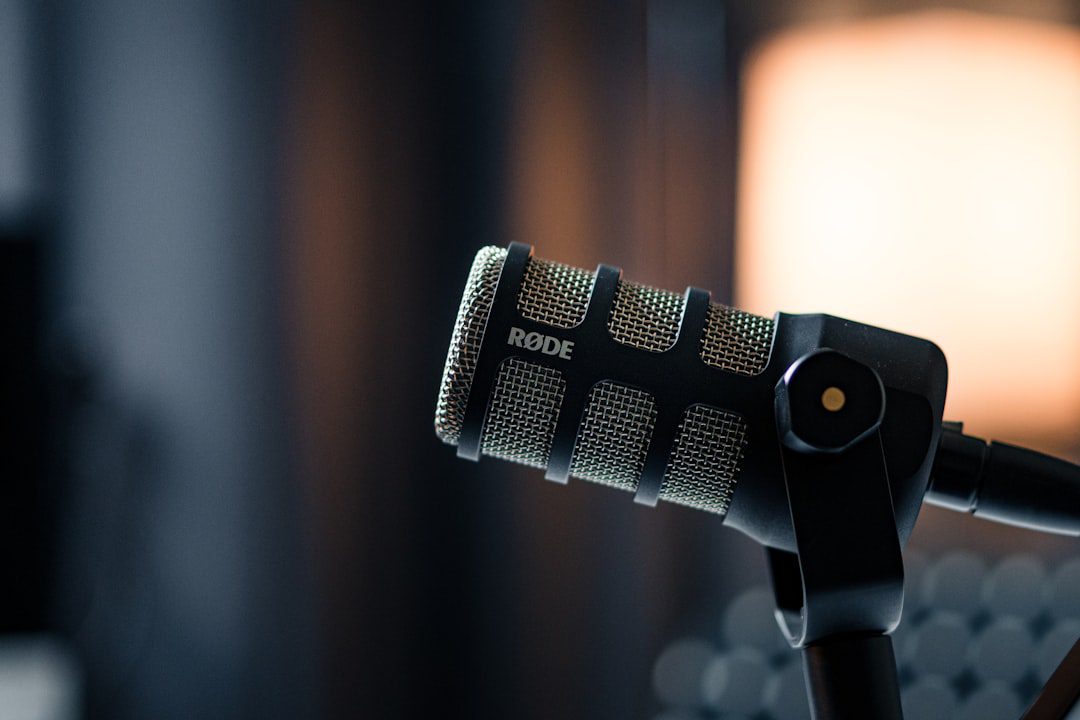
- Microphone: Rode Wireless GO II or a basic USB mic like the Blue Yeti Nano
- Lighting: A single $40–$60 ring light or softbox
- Editing: DaVinci Resolve (free) or CapCut Desktop
Mid-Range Setup ($300–$800):
- Camera: Sony ZV-E10 or Canon M50 Mark II
- Microphone: Rode VideoMicro II (on-camera) or Elgato Wave:3 (USB)
- Lighting: Two-point softbox kit
- Editing: Final Cut Pro (Mac) or DaVinci Resolve Studio
Furthermore, your background matters. A clean, intentional background signals professionalism. You don’t need a dedicated studio — a tidy corner of your work from home setup works perfectly.
Step 3: Plan and Create Your First 10 Videos
Before you publish a single video, plan your first ten. This strategy prevents the dreaded “now what?” paralysis that causes most new channels to stall after video three.
How to Structure Your Video Strategy
Think of your first ten videos in three categories:
- Foundation videos (3–4 videos): Cover the most commonly asked beginner questions in your niche. These build authority and capture search traffic.
- Authority videos (3–4 videos): Share a unique perspective, case study, or contrarian take. These differentiate you from competitors.
- Discovery videos (2–3 videos): Target trending or high-volume keywords to introduce your channel to new viewers.
Video SEO: Getting Found on YouTube
YouTube is a search engine. Therefore, every video needs proper keyword optimization:
- Title: Include your primary keyword within the first 60 characters. Be specific and benefit-driven.
- Description: Write at least 250 words. Include your keyword naturally in the first two sentences, and add relevant secondary keywords throughout.
- Tags: Use 8–15 tags. Include exact-match, broad, and related keyword variations.
- Thumbnail: Design a custom thumbnail with bold text (3–5 words max) and a clear, expressive visual. Thumbnails drive click-through rate more than almost any other factor.
- Chapters: Add timestamps to your description. This improves watch time and helps YouTube understand your content.
Consistency matters more than perfection here. Publishing one solid video per week beats publishing a “perfect” video once per month, every single time.
Step 4: Grow Your Audience Strategically
Learning how to start a YouTube channel is only half the battle. Growing it requires a deliberate, multi-channel approach — especially in the first six months when YouTube’s algorithm gives new channels less organic reach.
Proven Growth Tactics for 2026
Leverage YouTube Shorts: Short-form content (under 60 seconds) continues to be a powerful discovery tool in 2026. Use Shorts to repurpose key moments from your long-form videos and funnel new viewers to your main channel.
Engage in the comments: Reply to every comment in your first 50 videos. This signals to YouTube’s algorithm that your community is active, which boosts distribution. Moreover, it builds genuine relationships with early fans.
Cross-promote on other platforms: Share clips on LinkedIn, X (Twitter), or Instagram. Additionally, consider building an email list from day one. Email remains one of the highest-converting channels for driving video views — and the right email management tools make this surprisingly easy to automate.
Collaborate with creators in adjacent niches: A 15-minute collaboration video with a creator who has 5,000–20,000 subscribers can introduce your channel to thousands of pre-qualified viewers overnight.
Step 5: Monetize Your YouTube Channel
Monetization is often why people decide to start a YouTube channel in the first place. The good news: you don’t need to wait for YouTube’s Partner Program to start earning.
YouTube Partner Program (YPP)
As of 2026, the standard YPP threshold requires:
- 1,000 subscribers
- 4,000 watch hours in the past 12 months (or 10 million Shorts views in 90 days)
Once accepted, you earn revenue from ads, channel memberships, and Super Thanks. However, ad revenue alone rarely builds a sustainable business early on.
Alternative Revenue Streams (Start These Immediately)
Don’t wait for 1,000 subscribers to start earning. Instead, build these revenue streams from your first video:
- Affiliate marketing: Recommend tools and products you genuinely use. Include affiliate links in every video description. Even a channel with 300 subscribers can generate meaningful affiliate income with the right niche.
- Digital products: Sell templates, guides, or mini-courses directly to your audience. If you’re exploring product-based businesses, our Print on Demand Business Guide 2026 covers a model that pairs exceptionally well with YouTube promotion.
- Brand sponsorships: Brands increasingly work with micro-influencers (1K–10K subscribers) in targeted niches. A focused audience of 2,000 engaged viewers can attract sponsorships faster than a generic channel with 20,000 passive ones.
- Coaching or consulting: Use your channel as a lead generation engine for a service business. One well-placed call-to-action per video is often enough to fill a client calendar.
Step 6: Stay Consistent Without Burning Out
The biggest killer of promising YouTube channels isn’t competition — it’s burnout. Most creators who quit do so between months three and six, right before YouTube’s algorithm starts rewarding their consistency.
Building a Sustainable Content System
Treat your channel like a business, not a hobby. That means building systems rather than relying on motivation:
- Batch record: Film 2–4 videos in a single session. This dramatically reduces setup fatigue and keeps your energy level consistent across videos.
- Use a content calendar: Plan topics 4–6 weeks ahead. This removes decision fatigue on publishing day. Solid time management strategies are just as critical for content creation as they are for any professional role.
- Set realistic publishing targets: One video per week is ideal for most niches. Two is better if you can maintain quality. Three or more often leads to burnout without a team.
- Track your metrics weekly: Monitor Click-Through Rate (CTR), Average View Duration (AVD), and subscriber growth. These three metrics tell you exactly what’s working and what needs adjustment.
Furthermore, building strong habits around your content process will outlast any burst of initial enthusiasm. If you haven’t yet, check out this practical framework on how to build good habits in 2026 — the principles apply directly to maintaining a consistent upload schedule.
Frequently Asked Questions
How long does it take to grow a YouTube channel in 2026?
Most channels see meaningful growth (1,000+ subscribers) between months 6 and 18, assuming consistent publishing and solid SEO. Niche selection heavily influences this timeline. Highly specific niches often grow faster because competition is lower and viewer intent is stronger.
Do I need to show my face on YouTube to be successful?
No. Faceless channels — using screen recordings, animations, or voiceover narration — perform well in many niches, including finance, software tutorials, and educational content. However, showing your face generally accelerates audience trust and subscriber loyalty.
How much money can you realistically make from a YouTube channel?
Income varies widely by niche, audience size, and monetization strategy. A channel with 10,000 subscribers in a high-value niche (finance, software, business) can reasonably earn $1,000–$5,000+ per month through a combination of ads, affiliate marketing, and digital products. Ad revenue alone at 10K subscribers is typically modest — between $100–$400/month depending on niche CPM rates.
What is the best niche to start a YouTube channel in 2026?
The best niche is one you can sustain and that has commercial intent. In 2026, strong-performing categories include personal finance, career development, software tutorials, health and fitness, and home-based business strategies. Micro-niches within these categories (e.g., “budgeting for teachers” or “freelance UX design careers”) consistently outperform broad topic channels.
How often should I post videos on my new YouTube channel?
Aim for one video per week, especially in your first year. Consistency signals reliability to both YouTube’s algorithm and your audience. It’s far better to publish one well-optimized video per week than to publish five videos in one week and then disappear for a month.
Key Takeaways
Before you hit publish on your first video, keep these three principles front of mind:
- Niche before camera. A focused, validated niche is the single most important decision you’ll make. Resist the urge to be a “general” creator. Specificity builds loyal audiences faster.
- Optimize every video like a search result. YouTube is a search engine. Titles, descriptions, thumbnails, and tags are not afterthoughts — they are your distribution strategy.
- Monetize from day one, don’t wait for the algorithm. Affiliate links, digital products, and service offers can generate revenue long before you hit YouTube’s Partner Program thresholds. Build your business model alongside your channel, not after it.
Knowing how to start a YouTube channel is the easy part. Executing consistently over 12–18 months is where most people fall short — and where the real opportunity lives.

More from Biz Stack
 Biz Stack
Print on Demand Business Guide for Beginners
Print on demand is one of the lowest-risk ways to launch an online business in 2026. This guide walks beginners...
 Biz Stack
How to Start a YouTube Channel in 2026
Starting a YouTube channel in 2026 is one of the smartest moves you can make for your brand, business, or...
 Biz Stack
How to Start an Online Business in 2026
Starting an online business has never been more accessible — but that doesn't mean it's easy. This guide walks you...