Cooking for One Guide Step by Step
Why Solo Cooking Is a Skill Worth Mastering
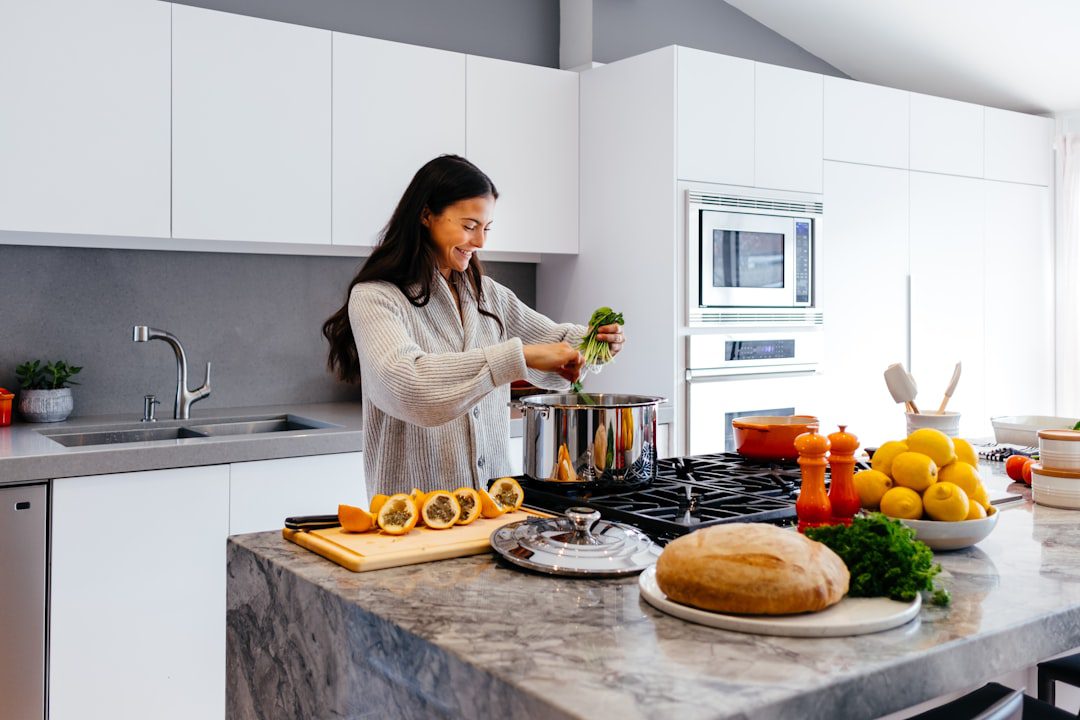
If you’ve ever stared at a recipe that serves six and felt completely defeated, you’re not alone. This cooking for one guide step by step exists precisely for that moment — the one where you want a proper meal, not just toast. Solo cooking is one of the highest-leverage lifestyle skills a busy professional can build. It saves money, supports your health goals, and puts you in full control of what goes into your body.
Moreover, the data backs it up. According to the USDA Economic Research Service, Americans who cook at home regularly spend significantly less on food and consume fewer calories per meal than those who rely on restaurants or delivery apps. In 2026, with delivery fees routinely hitting $15–$20 per order, that gap matters even more.
Solo cooking doesn’t require culinary school training. It requires a clear system. And that’s exactly what you’ll find here.
Step 1: Set Up Your Solo Kitchen for Success
Before you cook a single meal, set up your environment for success. Most kitchen tools are designed for families. However, a few smart investments make solo cooking dramatically easier.
The Essential Equipment List
- 8-inch skillet — Perfect for one-portion proteins and stir-fries
- 1.5-quart saucepan — Ideal for grains, soups, and sauces
- Small sheet pan (quarter-size) — Fits a single-serving roast in any standard oven
- Instant-read thermometer — Eliminates guesswork with proteins
- Digital kitchen scale — Scales down recipes with precision
- 3–4 quality glass storage containers — Essential for batch cooking
You don’t need a six-burner range or a stand mixer. In fact, clutter is the enemy of solo cooking efficiency. Keep only what earns its counter space.
Stocking the Solo Pantry
A well-stocked pantry is your secret weapon. These staples let you build a complete meal from scratch even when the fridge looks bare.
- Grains: Instant brown rice, quinoa, rolled oats, whole-grain pasta
- Proteins: Canned chickpeas, lentils, tuna, and frozen chicken thighs
- Flavor builders: Olive oil, soy sauce, garlic powder, smoked paprika, cumin
- Acids: Apple cider vinegar, lemon juice (bottled is fine), Dijon mustard
- Canned goods: Diced tomatoes, coconut milk, black beans
Furthermore, buy spices in small quantities. A solo cook rarely burns through a large jar before it loses potency.
Step 2: Plan Your Week Like a Pro (The Cooking for One Guide Step by Step Approach)
Winging it is the fastest route to food waste and expensive takeout. Instead, spend 15 minutes every Sunday planning your week. This is the heart of the cooking for one guide step by step method — intentional planning before a single burner turns on.
The 3-Meal Framework
Rather than planning seven completely different dinners, plan around three core meals with intentional variations. This approach reduces waste and cuts prep time dramatically.
- Anchor Protein: Pick one protein to batch-cook (e.g., roasted chicken thighs)
- Anchor Grain: Cook a large portion of one grain (e.g., quinoa)
- Rotating Vegetables: Buy 2–3 vegetables that work across multiple dishes
For example, roasted chicken thighs on Monday become a grain bowl on Wednesday and a simple taco on Thursday. You cooked once and ate three times. That’s the system.
Building Your Weekly Shopping List
A focused list prevents the biggest solo-cooking pitfall: buying too much. Follow these rules:
- Buy proteins in single-use portions (freeze what you won’t use within 2 days)
- Choose versatile vegetables — broccoli, spinach, zucchini, and cherry tomatoes work in almost anything
- Limit fresh herbs to one bunch per week (use stems in cooking, leaves as garnish)
- Always check your pantry before shopping — you likely already have half of what you need
Most importantly, shop with a number in mind. For a solo professional, a weekly grocery budget of $60–$85 covers 14 solid meals with smart planning in 2026.
Step 3: Master the Art of Scaling Recipes Down
Most recipes serve 4–6 people. As a solo cook, you need to divide ingredients accurately without ruining the dish. Fortunately, this is simpler than it looks once you know the rules.
The Division Method
To scale a recipe from 4 servings to 1, divide every ingredient by 4. However, do not divide spices by the same ratio. Flavors concentrate when you reduce volume. Instead, start with half the calculated spice amount and adjust to taste.
Here’s a quick reference:
- 1 tablespoon → use ¾ teaspoon for a single serving
- 1 cup → use ¼ cup for a single serving
- 1 pound of protein → use 4–6 oz for a single serving
- Cook time often shortens by 20–30% with smaller portions — watch carefully
When NOT to Scale Down
Some recipes are better made in full batches and stored. Therefore, don’t scale down:
- Soups and stews (they freeze beautifully)
- Grain dishes (refrigerate for 4 days)
- Sauces and dressings (store in jars for up to a week)
- Baked goods (chemistry makes scaling tricky)
Batch cooking these items and portioning them out is far more efficient than making micro-batches every day.
Step 4: Cook Smarter with Batch Prep Strategies
Batch cooking is the professional’s answer to the “I don’t have time to cook” problem. Done correctly, one 60-minute prep session on Sunday fuels 4–5 weekday meals. This step is central to any effective cooking for one guide step by step routine.
The Sunday Prep Session (60 Minutes)
- 0:00–0:15 — Start your grain (quinoa or rice takes 15–20 min unattended)
- 0:05–0:30 — Roast your anchor protein and vegetables together on one sheet pan
- 0:30–0:45 — Wash and chop remaining raw vegetables; store in containers
- 0:45–0:55 — Mix one sauce or dressing for the week (e.g., tahini lemon, sesame ginger)
- 0:55–1:00 — Portion everything into labeled glass containers
As a result, your weeknight “cooking” becomes assembly, not actual cooking. You’re pulling components together in under 10 minutes — a crucial difference for busy schedules.
Smart Storage for One
- Cooked grains: refrigerate up to 5 days, freeze up to 3 months
- Cooked proteins: refrigerate up to 4 days, freeze up to 2 months
- Roasted vegetables: refrigerate up to 4 days (they don’t freeze well)
- Dressings and sauces: refrigerate in a sealed jar up to 7–10 days
Label containers with the date using masking tape and a marker. This simple habit eliminates the “mystery container” problem entirely.
If you want to bring this level of systems thinking to other areas of your life, our guide on setting goal examples: a practical guide applies the same structured approach to personal and professional development.
Step 5: Build Your Go-To Recipe Rotation
The most sustainable solo cooks don’t reinvent the wheel every week. Instead, they build a reliable rotation of 8–12 recipes they know by heart. This reduces decision fatigue and keeps grocery lists predictable.
The 5 Solo Meal Templates You Need
Think of these as formulas, not fixed recipes. Swap the components based on what you have.
-
The Grain Bowl
Base grain + roasted protein + raw or roasted vegetable + sauce + crunchy topping (nuts, seeds, croutons) -
The Sheet Pan Meal
One protein + two vegetables + olive oil + spice blend → roast at 400°F for 20–25 minutes -
The Skillet Scramble
2 eggs + whatever vegetables are in the fridge + a handful of cheese or beans → done in 8 minutes -
The Quick Soup
2 cups broth + 1 cup canned legumes + 1 cup chopped vegetable + spices → simmer 15 minutes -
The Assembly Plate
No cooking required. Quality deli protein + whole grain crackers or bread + raw vegetables + hummus or avocado
Furthermore, these templates work for breakfast, lunch, or dinner. A grain bowl isn’t just a lunch option — it’s a 10-minute breakfast with a fried egg on top.
Step 6: Cut Food Waste to Zero
Food waste is the silent budget-killer for solo cooks. The average American wastes roughly 30–40% of their food. For someone cooking for one, that number can be even higher without a deliberate system.
The “Use It Up” Priority System
Organize your fridge with intention. Keep the most perishable items at eye level so you reach for them first.
- Front of fridge: Leftovers, fresh herbs, cut vegetables (use within 1–2 days)
- Middle shelf: Prepped batch components (use within 3–4 days)
- Bottom drawer: Whole vegetables and fruits (use within 5–7 days)
- Freezer door: Bread, nuts, seeds, and small protein portions
Five Waste-Cutting Habits That Actually Work
- Freeze bread immediately and toast slices directly from frozen
- Blend wilting greens into smoothies or sauces instead of tossing them
- Turn roasted vegetable scraps into a quick broth (simmer in water for 30 minutes, strain)
- Buy half-quantities at the deli counter — most counters will slice to order
- Designate one meal per week as a “clean the fridge” assembly plate
Of course, the best waste-reduction tool is your shopping list. Buy only what fits your weekly plan, and stick to it.
Step 7: Make Solo Dining Feel Like an Experience
This final step is one most guides skip entirely. However, it matters enormously for long-term sustainability. If solo cooking feels depressing, you’ll abandon it. If it feels like a rewarding ritual, you’ll keep going.
Elevate the Experience Without Extra Effort
- Set the table — even for one. A placemat and real cutlery take 30 seconds and signal that the meal matters
- Put your phone in another room during meals (even occasionally)
- Pick a go-to playlist or podcast for cooking prep that signals “kitchen mode”
- Invest in one or two nice pieces: a quality bowl, a proper wine glass, a small candle
- Try one new recipe per week to keep curiosity alive
Solo dining, done intentionally, becomes one of the most grounding parts of a professional’s day. It’s unscheduled time that belongs entirely to you. Moreover, research consistently links regular home-cooked meals with lower stress levels and better dietary outcomes — a genuine performance advantage for anyone managing a high-demand career.
If you’re optimizing multiple areas of your professional life simultaneously, our article on how to stop procrastinating for good in 2026 pairs well with building any new habit system, including this one.
Frequently Asked Questions
How do I stop feeling bored cooking the same meals every week?
Use the meal template system rather than fixed recipes. Swap one component each week — a different grain, a new sauce, or a seasonal vegetable. This creates variety without requiring new recipes. In addition, challenge yourself to try one completely new ingredient per month to expand your rotation gradually.
What is the best way to scale down a recipe for one person?
Divide all ingredients by the number of servings the recipe makes. For spices, start at half the calculated amount and taste as you go. Also, reduce your cook time by 20–30% and monitor closely. A digital kitchen scale makes this far more accurate than eyeballing measurements.
How do I avoid wasting fresh produce when cooking for one?
Buy smaller quantities more frequently if possible. Freeze what you won’t use within two days. Moreover, choose versatile vegetables that work across multiple dishes — broccoli, spinach, bell peppers, and zucchini all cross-perform well. A weekly “use it up” meal on Fridays clears the fridge before shopping day.
Is it cheaper to cook for one at home versus ordering food?
Significantly cheaper. A home-cooked meal for one typically costs $3–$7 in ingredients. By contrast, a restaurant delivery order in 2026 averages $18–$30 including fees and tip. Over a month, consistent home cooking saves the average professional $200–$500. Furthermore, you control nutrition, portion size, and ingredient quality.
How long should I spend cooking each day if I’m busy?
Aim for zero to ten minutes on weeknights if you batch prep on Sundays. Your 60-minute Sunday session does the real work. On weeknights, you’re simply assembling pre-cooked components into a fresh meal. If you skip batch prep, budget 20–25 minutes per meal using the sheet pan or skillet templates in this cooking for one guide step by step.
Key Takeaways: Your Cooking for One Action Plan
- Set up before you start. Equip your kitchen with right-sized tools and a stocked pantry. The right environment eliminates friction before it starts.
- Plan and batch cook weekly. One 60-minute Sunday session — anchored by a protein, a grain, and versatile vegetables — removes the daily decision of what to cook and cuts waste dramatically.
- Use templates, not rigid recipes. Master five flexible meal formulas, rotate the components, and you’ll never run out of ideas or dread the kitchen again.

More from Life Stack
 Life Stack
How to Save Time Table: A Professional’s Guide
A cluttered, unprotected schedule is one of the biggest productivity killers for busy professionals. This guide breaks down exactly how...
 Life Stack
How to Move to a New City Without the Chaos
Moving to a new city is one of the biggest decisions a professional can make — and one of the...
 Life Stack
Mental Health Resources for Busy Professionals
Burnout, anxiety, and chronic stress are no longer fringe issues — they're occupational hazards for high-performing professionals. This guide breaks...