Best Books for Self Improvement in 2026
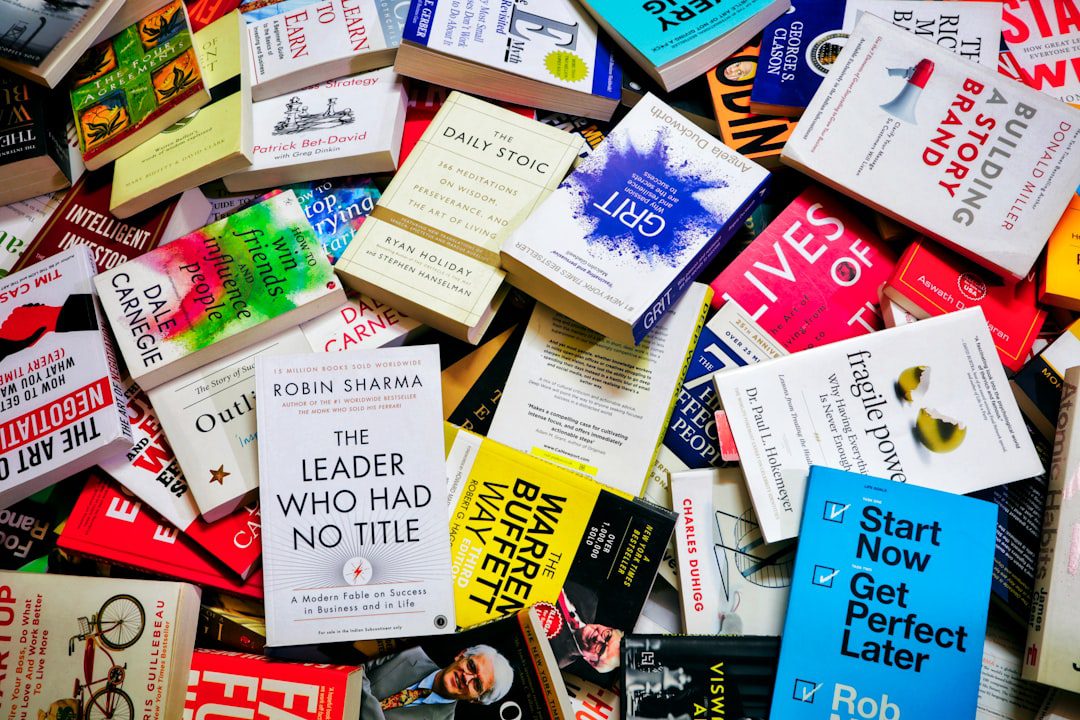
Why the Best Books for Self Improvement Still Matter in 2026
The best books for self improvement are not just motivational placeholders on your nightstand. They are structured thinking tools — ones that, when applied consistently, produce measurable changes in how you work, lead, and live. With hundreds of new titles releasing every year, knowing which ones are worth your limited time is half the battle.
This list is built for busy professionals. Each pick is chosen for its practical depth, not just its popularity. You will not find vague platitudes here. Instead, you will find books with frameworks you can use before your next meeting, your next difficult conversation, or your next big decision.
Furthermore, we have organized this guide by life area — so you can jump straight to what you need most right now.
How We Selected the Best Books for Self Improvement
Not every bestseller earns a spot on a serious professional’s reading list. Therefore, we applied a strict filter before including any title.
Here is exactly what we looked for:
- Evidence-based content — backed by research, not just anecdotes
- Practical frameworks — tools you can apply within 48 hours of reading
- Durability — ideas that hold up beyond a single news cycle
- Reader impact — consistent, verifiable transformation reported by readers
- Relevance to 2026 — addresses challenges professionals face right now
In addition, we cross-referenced Pew Research findings on reading habits to understand how high performers engage with books differently than casual readers. The short answer: they treat books as reference tools, not one-time reads.
Best Books for Self Improvement: Mindset and Mental Resilience
Your mindset is the operating system for everything else. Before you optimize your schedule or sharpen your skills, you need to address what is running underneath.
1. Mindset by Carol S. Dweck
Dweck’s research on fixed versus growth mindsets remains one of the most cited in behavioral psychology. The core argument is simple: people who believe their abilities can grow actually develop faster than those who believe talent is fixed.
For professionals, this translates directly into how you handle criticism, setbacks, and plateaus. Moreover, it reframes failure as data rather than identity — a shift that compounds over a career.
Best for: Professionals stuck in perfectionism or fear of failure.
2. The Obstacle Is the Way by Ryan Holiday
Holiday draws on Stoic philosophy to build a modern framework for resilience. The central idea is this: obstacles do not block progress — they create it, if you engage them correctly.
Each chapter is short and punchy. As a result, this book works brilliantly as a daily reference. Many executives keep a copy on their desk specifically for that reason.
Best for: Anyone facing high-stakes pressure, uncertainty, or career transitions.
Habit Formation: The Engine of Lasting Change
Knowledge without behavior change is just entertainment. Therefore, the most effective self improvement books focus heavily on habit architecture — how to build routines that actually stick.
3. Atomic Habits by James Clear
This is arguably the most actionable book on behavior change ever written. Clear’s 1% improvement framework shows how small, consistent changes compound into remarkable results over time.
Key concepts you will walk away with include:
- The habit loop: cue, craving, response, reward
- Identity-based habits — changing who you are, not just what you do
- The two-minute rule for eliminating procrastination
- Environment design to make good habits easier and bad habits harder
For more on building sharper daily routines at work, read our guide on how to focus better at work.
Best for: Anyone who has tried and failed to build consistent habits.
4. The Power of Habit by Charles Duhigg
Duhigg approaches habit from a journalist’s perspective. He uncovers why habits form, how they are stored in the brain, and — most importantly — how to change them deliberately.
In addition, his coverage of keystone habits is particularly useful. These are single habits that trigger a cascade of other positive changes. Exercise, for example, is a classic keystone habit that tends to improve sleep, diet, and productivity simultaneously.
Best for: People who want to understand the science behind behavior change.
Productivity and Focus: Do More of What Actually Matters
Busyness is not productivity. In fact, many high-achievers confuse the two until a burnout forces them to recalibrate. These books help you distinguish between activity and output.
5. Deep Work by Cal Newport
Newport makes a compelling case that the ability to focus without distraction is one of the rarest and most valuable skills in the modern economy. He divides work into two categories: deep work (focused, cognitively demanding) and shallow work (email, meetings, logistics).
His prescription is clear: schedule deep work blocks, ruthlessly protect them, and treat distraction as a professional liability — not just an annoyance.
Key strategies include:
- Time-blocking your calendar for focused work
- Embracing productive boredom to strengthen concentration
- Implementing a digital minimalism philosophy at work
Best for: Knowledge workers drowning in shallow tasks who want to reclaim meaningful output.
6. Essentialism by Greg McKeown
McKeown’s thesis is deceptively simple: do less, but better. Essentialism is the disciplined pursuit of less — identifying the vital few things that matter and eliminating the trivial many.
However, this is not a time management book. It is a philosophy for how to make better decisions about where your energy goes. As a result, it pairs extremely well with Deep Work for professionals who feel perpetually overcommitted.
Best for: Overachievers who say yes to everything and feel spread too thin.
Communication and Emotional Intelligence
Technical skill will get you hired. Communication and emotional intelligence will get you promoted. These titles address the interpersonal dimension of self improvement — often the most neglected area for high-performers.
7. Never Split the Difference by Chris Voss
Former FBI hostage negotiator Chris Voss delivers a masterclass in high-stakes communication. Crucially, this is not just a negotiation book — it is a framework for understanding how people make decisions under pressure.
The techniques he introduces, like tactical empathy and calibrated questions, apply directly to salary discussions, client negotiations, and difficult conversations with colleagues. Speaking of which, if a raise is on your radar, pair this read with our breakdown of how to ask for a raise and actually get it.
Best for: Anyone who negotiates, leads teams, or manages client relationships.
8. Emotional Intelligence by Daniel Goleman
Goleman’s foundational work argues that EQ — emotional intelligence — predicts professional success more reliably than IQ. The five domains he identifies are: self-awareness, self-regulation, motivation, empathy, and social skill.
Furthermore, he provides concrete strategies for developing each domain. This is not a soft-skills book — it is a performance manual for anyone who works with other humans.
Best for: Professionals moving into leadership or managing complex team dynamics.
Financial and Strategic Thinking for the Self-Made Professional
Self improvement is not only internal. Moreover, financial clarity and strategic thinking are critical pillars of a well-optimized professional life.
9. The Psychology of Money by Morgan Housel
Housel argues that financial success has less to do with what you know and more to do with how you behave with money over time. His 19 short essays cover concepts like the role of luck, the importance of room for error, and why long-term thinking is so difficult — yet so essential.
In addition, his writing is remarkably accessible. Each chapter reads in under 10 minutes, making this ideal for professionals with limited reading windows.
Best for: Anyone looking to build lasting financial discipline alongside personal growth.
10. Thinking, Fast and Slow by Daniel Kahneman
Nobel laureate Kahneman dissects how we actually make decisions — often poorly. He introduces the now-famous System 1 and System 2 thinking model: fast, intuitive thinking versus slow, deliberate reasoning.
Understanding this framework makes you sharper in negotiations, strategy sessions, and personal decisions. For professionals who want to level up their reasoning, also explore our post on critical thinking skills that sharp minds master.
Best for: Analytical professionals who want to make fewer cognitive errors.
How to Get the Most Out of Your Self Improvement Reading
Reading the best books for self improvement is only step one. The real leverage comes from how you engage with what you read. Here is a system that high performers use consistently.
- Read with a specific problem in mind. Pick a book that addresses your current biggest challenge — not the most popular title at the moment.
- Take notes as you read. Capture key frameworks in your own words. A solid note-taking system makes this effortless — see our best note-taking apps review for 2026 for tools to help.
- Implement one idea before moving to the next book. Avoid the trap of reading for the dopamine hit of starting something new without applying anything first.
- Revisit quarterly. The best books reward re-reading. Returning to a book six months later often reveals insights you missed the first time.
- Share what you learn. Teaching a concept — even informally — dramatically accelerates retention. A team meeting, a Slack message, or a conversation over coffee all count.
Finally, batch your reading by theme. Spending a month on habit books, then a month on communication books, creates a compound learning effect that random reading never produces.
Key Takeaways
- ✅ Start with mindset. Titles like Mindset and The Obstacle Is the Way build the foundation everything else rests on.
- ✅ Pair a habit book with a focus book. Atomic Habits and Deep Work together create a powerful system for sustainable high performance.
- ✅ Apply before you move on. One implemented idea from a good book outperforms ten books read passively and forgotten.
Frequently Asked Questions
What are the best books for self improvement for busy professionals?
The best books for self improvement for time-strapped professionals are ones with short chapters and clear frameworks. Top picks include Atomic Habits by James Clear, The Psychology of Money by Morgan Housel, and Essentialism by Greg McKeown. All three deliver high value per page and are designed for practical application.
How many self improvement books should I read per year?
Quality beats quantity every time. Most self-development experts recommend reading 12–18 books per year — roughly one to two per month — with deliberate implementation between reads. Reading 50 books without applying anything produces far less growth than reading 12 books deeply.
Are older self improvement books still relevant in 2026?
Absolutely. Books like Thinking, Fast and Slow and Emotional Intelligence address fundamental aspects of human psychology that do not change with trends. The best books for self improvement age well precisely because they focus on principles, not tactics.
What is the difference between self-help and self improvement books?
“Self-help” often implies motivational content with broad, feel-good advice. Self improvement books, by contrast, tend to offer specific, evidence-based systems for changing behavior. The titles on this list lean heavily toward the latter — research-backed frameworks over inspirational language.
How do I retain more of what I read in self improvement books?
The most effective method is active recall and immediate application. Take notes in your own words, identify one action item per chapter, and review your notes weekly. Using a dedicated note-taking app (see our 2026 note-taking apps guide) makes this system sustainable long-term.

More from Life Stack
 Life Stack
How to Be More Social: A Practical Guide
Struggling to connect with others? This guide breaks down exactly how to be more social — from rewiring your mindset...
 Life Stack
Home Office Ergonomics: Work Smarter, Hurt Less
Poor home office ergonomics costs professionals more than just comfort — it costs them productivity, focus, and long-term health. This...
 Life Stack
How to Make Friends as an Adult Guide
Making friends as an adult is genuinely hard — but it doesn't have to stay that way. This guide breaks...