Print on Demand Business Guide 2026
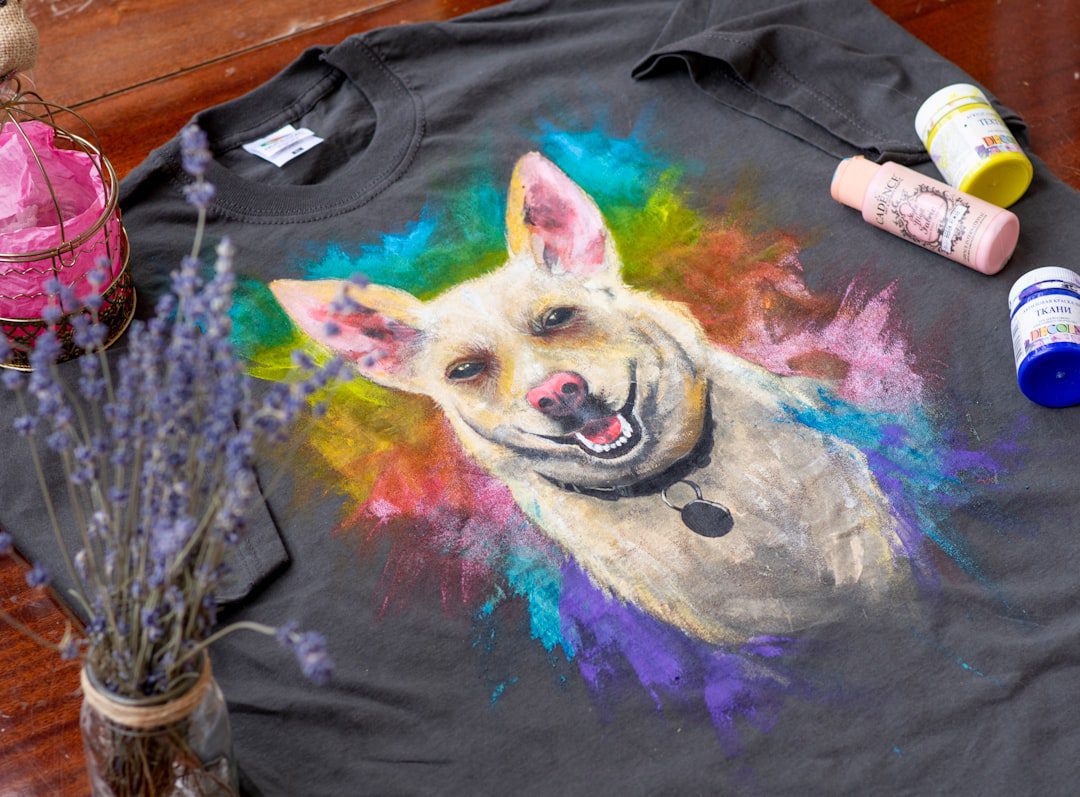
If you’ve been looking for a low-risk, low-overhead way to start selling online, this print on demand business guide 2026 is exactly what you need. Print on demand (POD) lets you design and sell custom products — t-shirts, mugs, posters, hoodies, tote bags — without holding any inventory. A third-party supplier prints and ships each order directly to your customer. You collect the profit margin. That’s the whole model. And in 2026, it’s more accessible, more competitive, and more profitable than ever — if you do it right.
This guide walks you through every stage: choosing a niche, picking a platform, pricing for profit, and marketing your store. Let’s get into it.
What Is Print on Demand and Why It Works in 2026
Print on demand is a fulfillment model where products are only manufactured after a customer places an order. There’s no bulk ordering, no upfront inventory cost, and no warehousing headaches.
Here’s why the model still works exceptionally well in 2026:
- Zero inventory risk: You never buy stock upfront. If a design doesn’t sell, you lose nothing.
- Low startup cost: Most POD platforms are free to join. You only pay when you make a sale.
- Location independence: You can run a POD store entirely from your laptop — pair this with a solid work-from-home setup and you have a real business from your living room.
- Scalability: Adding new products takes minutes. You’re not constrained by shelf space or capital.
- Global reach: Most major POD platforms ship internationally by default.
According to Grand View Research, the global print on demand market continues to grow at a strong compound annual rate, driven by the rise of independent creators and niche e-commerce brands. In 2026, personalization and micro-niche targeting are the two biggest competitive advantages you can have.
The Print on Demand Business Guide 2026: Choosing Your Niche
Niche selection is the single most important decision you’ll make. A generic t-shirt store is a losing strategy. A store for left-handed guitar teachers who love hiking? That’s a winner.
How to Find a Profitable Niche
Start with three criteria: passion, demand, and low competition. You don’t need to tick all three perfectly. However, you do need at least two of them to succeed long-term.
Use these methods to validate your niche:
- Search Etsy and Amazon Merch: Look for designs with hundreds of reviews. That signals proven demand.
- Use Google Trends: Check whether interest in your niche is growing, stable, or declining. Stick to stable or growing.
- Browse Reddit communities: Subreddits show you exactly what passionate groups talk about, buy, and wear.
- Check Pinterest boards: High-save counts on design-related pins reveal strong visual interest.
Top Niche Categories Performing Well in 2026
- Profession-specific humor (nurses, teachers, engineers, electricians)
- Pet breeds with specific personality traits
- Hobby crossovers (e.g., “bookworm who runs marathons”)
- Regional pride (specific cities, towns, or states)
- Mental health awareness and supportive messaging
- Retro aesthetics applied to modern hobbies
Most importantly, avoid trend-chasing. Trends spike and die. Evergreen niches with dedicated communities generate consistent revenue month after month.
Best Print on Demand Platforms in 2026
Platform choice affects your product range, profit margins, print quality, and shipping times. Therefore, choose carefully based on your goals.
Top POD Platforms to Consider
Here’s a straightforward breakdown of the leading platforms in 2026:
- Printful: Industry-leading print quality. Integrates with Shopify, Etsy, WooCommerce, and more. Higher base costs, but worth it for premium positioning.
- Printify: More affordable base prices due to its print provider network. Ideal for scaling volume. Quality varies slightly by provider.
- Gelato: Strong choice for international sellers. Local printing hubs in 30+ countries mean faster shipping and lower carbon footprint.
- Redbubble / Merch by Amazon: Built-in marketplaces. No store setup needed. However, you sacrifice control and margin in exchange for traffic.
- Gooten: Good for diversifying your supplier base once you’re established.
Marketplace vs. Independent Store
This is a key fork in the road. Selling on Etsy or Redbubble gives you built-in traffic from day one. On the other hand, running your own Shopify store gives you full control over branding, customer data, and long-term value.
For most beginners, starting on Etsy while building a Shopify store in parallel is the smartest approach in 2026.
Pricing Strategy: How to Set Prices That Actually Profit
Many new POD sellers underprice themselves out of fear. In reality, customers in well-targeted niches pay premium prices for products that speak directly to them.
The Basic Pricing Formula
Use this structure as your starting point:
- Base cost: What the POD platform charges you per item (e.g., $12.00 for a t-shirt)
- Platform fees: Etsy charges listing fees and a 6.5% transaction fee. Factor this in.
- Target margin: Aim for a minimum 30-40% profit margin after all fees.
- Market positioning: Research competitor pricing on Etsy. Price at or slightly above the mid-range — not the cheapest.
For example, if your base cost is $12 and your Etsy fees on a sale total $2.50, your floor is $14.50. To hit a 40% margin, price at around $24-$26. Many niche designs sell for $28-$35 with no resistance.
Bundling and Upselling
Furthermore, consider offering bundles — a matching mug and t-shirt in the same niche design. Bundles increase average order value without increasing your marketing cost.
Creating Designs That Actually Sell
You don’t need to be a professional graphic designer. However, you do need to produce clean, legible, and niche-relevant designs.
Design Tools for Non-Designers
- Canva Pro: Excellent for text-based designs, mockups, and simple graphics. Most POD bestsellers are text-heavy anyway.
- Adobe Express: More design flexibility. Good middle ground between Canva and Illustrator.
- Placeit: Generates professional product mockups automatically. Essential for your store listings.
Design Principles That Drive Sales
- Keep it simple. Cluttered designs don’t print well and don’t convert.
- Use high-contrast color combinations for readability.
- Make the niche message immediately obvious. Customers should “get it” in two seconds.
- Test multiple variations of the same concept. One phrase might outperform another significantly.
- Always submit designs at 300 DPI or higher to avoid blurry prints.
In addition, study your competitors’ bestsellers. Don’t copy them — but understand why they work. Then create your own version that’s more specific, funnier, or more visually refined.
Marketing Your Print on Demand Store
Great products don’t market themselves. This is where most POD sellers stall. Fortunately, there are proven, cost-effective strategies that work well in 2026 without requiring a massive ad budget.
Organic Traffic Strategies
- Etsy SEO: Optimize your titles, tags, and descriptions with exact-match keywords. Use all 13 Etsy tags. Update listings regularly to signal freshness.
- Pinterest marketing: Pinterest drives significant organic traffic to POD stores for free. Create pin boards for each niche. Post consistently.
- TikTok and Instagram Reels: Short-form video showing your design process or “behind the scenes” content builds audience trust quickly.
Email Marketing
Once you have customers, email is your highest-ROI channel. Build a list from day one. Even a simple welcome sequence and occasional new-design announcements dramatically increases repeat purchases. Our email marketing for beginners guide walks you through setting this up step by step.
Paid Ads: When to Start
Don’t run paid ads until you have at least 5 proven organic sales on a design. That confirms demand before you invest money. After that, Etsy Ads and Pinterest Ads offer reasonable CPCs for niche products. Meta Ads work better for Shopify stores with retargeting audiences.
Tracking Your Finances
As your store grows, tracking income and expenses becomes critical. Consider using one of the best budgeting apps of 2026 to stay on top of your POD business cash flow from the start.
Scaling Your Print on Demand Business in 2026
Once you have a profitable core store, scaling follows a clear path. This print on demand business guide 2026 wouldn’t be complete without covering what growth actually looks like.
Scaling Tactics That Work
- Expand your product catalog: Take your bestselling design and apply it to new products — hats, hoodies, phone cases, canvas prints.
- Open multiple stores: Run separate stores for distinct niches. This reduces risk and multiplies revenue streams.
- Outsource design work: Use freelancers on Fiverr or Upwork to increase your design output without burning out.
- Launch a brand, not just a store: Build a recognizable name within your niche. A brand commands loyalty and allows you to charge more.
- Explore wholesale and custom orders: As you grow, local businesses and event organizers will approach you for bulk custom orders — at much better margins.
Moreover, use your store’s data ruthlessly. Double down on what sells. Archive what doesn’t. Every month, review your top 10 designs and your bottom 10. The data always tells the truth.
Frequently Asked Questions
How much money can you realistically make with print on demand in 2026?
Income varies widely. Beginners typically earn $200–$800/month within their first six months. Established stores in strong niches regularly generate $3,000–$10,000+/month. A handful of full-time POD entrepreneurs earn six figures annually. Your results depend primarily on niche selection, design quality, and consistency of effort.
Do I need a business license to start a print on demand store?
Requirements vary by country and state. In the U.S., many POD sellers start as sole proprietors without formal registration. However, once you’re generating consistent income, forming an LLC protects your personal assets. Consult a local accountant or check the SBA’s business registration guide for guidance specific to your state.
What’s the biggest mistake new print on demand sellers make?
Trying to sell to everyone. A store with 200 designs across 15 unrelated niches almost always underperforms a store with 30 tightly focused designs in one niche. Specificity drives both SEO rankings and customer connection. Pick one niche, dominate it, then expand.
How long does it take to make your first print on demand sale?
On Etsy, most new sellers make their first sale within 2–8 weeks if they optimize listings properly and post at least 20–30 products. On your own Shopify store, expect 1–3 months since you’re building traffic from scratch. Patience and consistent listing creation are the main factors.
Is print on demand still worth starting in 2026?
Yes — but the bar has risen. Generic stores with uninspired designs struggle. However, sellers who commit to a specific niche, produce quality designs, and market consistently still build profitable businesses. The model itself is sound. The execution is what separates earners from hobbyists.
Key Takeaways
Summary: Your Print on Demand Business Guide 2026
- Niche specificity wins. The more targeted your niche, the less competition you face and the more passionate your buyers are. Don’t sell to everyone — sell deeply to someone.
- Start lean, then scale. Begin on Etsy (free traffic), prove your designs work organically, then invest in a Shopify store and paid ads once you have data to back your decisions.
- Treat it like a real business. Track your finances, reinvest your profits, and build a brand — not just a product listing. The sellers who thrive with this print on demand business guide 2026 are the ones who play the long game.

More from Biz Stack
 Biz Stack
Print on Demand Business Guide for Beginners
Print on demand is one of the lowest-risk ways to launch an online business in 2026. This guide walks beginners...
 Biz Stack
How to Start a YouTube Channel in 2026
Starting a YouTube channel in 2026 is one of the smartest moves you can make for your brand, business, or...
 Biz Stack
How to Start an Online Business in 2026
Starting an online business has never been more accessible — but that doesn't mean it's easy. This guide walks you...