Mental Health Resources Every Professional Needs
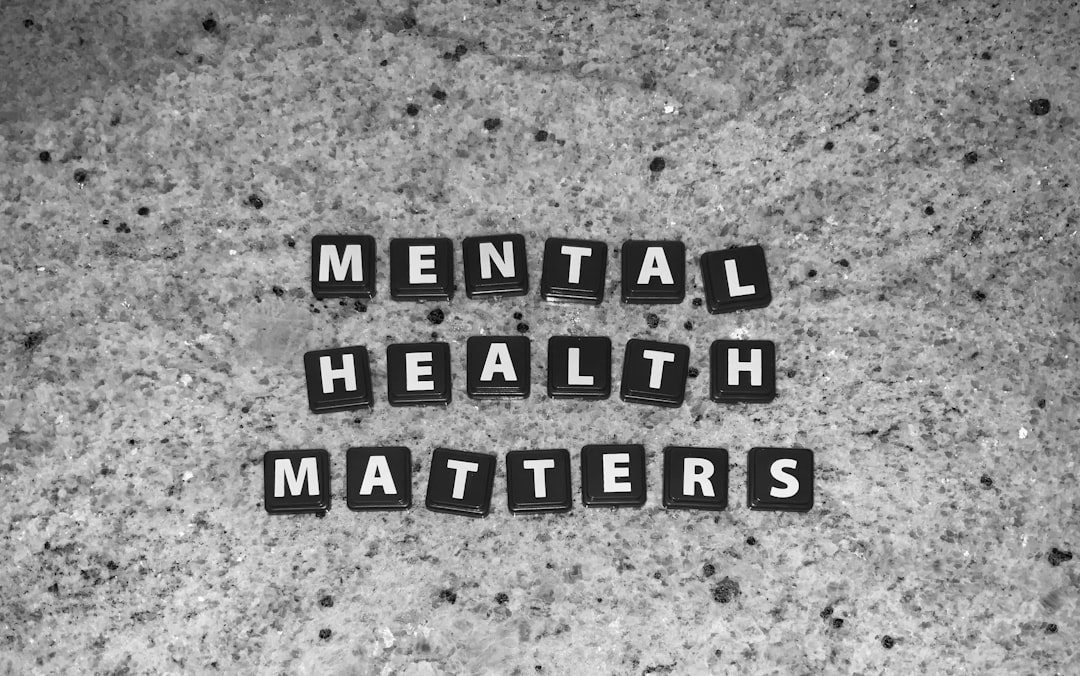
High performance has a hidden cost. Most professionals track their KPIs, optimize their calendars, and invest in skill development — but they rarely invest in the one resource that powers everything else: their mental health. The right mental health resources don’t just help you cope with stress. They actively sharpen your focus, improve your decision-making, and make you more effective at work and at home. This guide gives you a practical, no-fluff roadmap to the best options available in 2026.
Why Mental Health Resources Matter More in 2026
The data is hard to ignore. According to the National Institute of Mental Health, nearly 1 in 5 U.S. adults experiences a mental health condition each year. For professionals under sustained pressure, that number skews even higher.
Moreover, the workplace landscape has shifted dramatically. Remote and hybrid work blurred the line between “on” and “off.” Economic uncertainty added a new layer of chronic stress. As a result, even high-functioning professionals are reporting higher rates of burnout, anxiety, and emotional exhaustion.
The good news? The availability and quality of mental health resources have improved significantly. In fact, you no longer need to choose between seeking support and maintaining your professional momentum.
- Burnout costs employers an estimated $322 billion globally in turnover and lost productivity each year
- Professionals who actively manage their mental health report 23% higher focus and better retention of complex information
- Therapy and mental health apps now boast wait times measured in hours, not months
The Core Mental Health Resources: A Framework
Before diving into specific tools, it helps to understand the landscape. Mental health support generally falls into three tiers. Each tier serves a different level of need — and most professionals benefit from using resources across all three.
Tier 1: Self-Directed Resources
These are tools you use independently. They work well for maintenance, early intervention, and building daily resilience habits.
- Meditation and mindfulness apps (e.g., Headspace, Calm, Insight Timer)
- Journaling frameworks like CBT-based thought records or gratitude logs
- Mental fitness content — books, podcasts, and structured courses
- Breathwork protocols for acute stress management (e.g., 4-7-8 breathing)
These resources are low-cost, highly accessible, and effective for professionals who are proactive rather than reactive about their mental health.
Tier 2: Guided and Community-Based Resources
Sometimes, self-directed tools aren’t enough. Guided resources add structure, accountability, and human connection to your mental health practice.
- Online therapy platforms like BetterHelp, Talkspace, or Brightside
- Group coaching programs focused on stress, burnout, or professional identity
- Peer support communities — especially valuable for entrepreneurs and freelancers
- Employee Assistance Programs (EAPs) offered through most mid-to-large employers
Furthermore, many of these platforms now offer asynchronous messaging with licensed therapists — a game-changer for professionals who can’t commit to weekly 50-minute sessions.
Tier 3: Clinical and Specialized Resources
For more serious concerns — clinical anxiety, depression, trauma, or substance use — clinical resources are essential. These include:
- Licensed therapists and psychologists (in-person or telehealth)
- Psychiatrists for medication management
- Intensive outpatient programs (IOPs) for more acute needs
- Crisis lines like 988 Suicide and Crisis Lifeline (call or text 988 in the U.S.)
Most importantly, seeking clinical support is not a sign of weakness. It is, in fact, one of the highest-leverage decisions a professional can make.
Best Mental Health Resources for Busy Professionals in 2026
With hundreds of tools on the market, it’s easy to get overwhelmed. Therefore, here is a curated breakdown of the top mental health resources professionals are actually using and benefiting from right now.
Top Apps and Digital Tools
- Headspace for Work — Offers team subscriptions with guided meditations, sleep tools, and focus sessions. Excellent for corporate teams.
- Calm Business — Focuses on sleep, stress reduction, and mindfulness. Particularly strong audio content library.
- Woebot — A CBT-based conversational tool. It helps you identify cognitive distortions and reframe negative thought patterns between therapy sessions.
- Noom Mood — Uses behavioral science to help you track emotional patterns and build sustainable coping strategies.
- Brightside — Combines therapy and psychiatry in one platform. Ideal for professionals who need both talk therapy and medication management without the logistical friction.
Workplace and Employer-Sponsored Resources
Don’t overlook what your employer already offers. In 2026, most Fortune 1000 companies have significantly upgraded their mental health benefits. Here’s what to look for:
- Employee Assistance Programs (EAPs): Typically provide 6–12 free therapy sessions per year. Completely confidential.
- Mental health days: Many progressive employers now offer dedicated mental health PTO, separate from sick days.
- Stipends and HSA funds: Several companies allow employees to use wellness stipends or HSA dollars for therapy, meditation apps, and coaching.
- Manager training programs: Some employers now train managers in Mental Health First Aid — a practical certification that helps leaders support struggling team members.
If you’re unsure what your company offers, check directly with HR. Many employees leave valuable mental health resources on the table simply because they didn’t ask.
Building a Personal Mental Health Stack
The most effective approach to mental health isn’t a single app or a monthly therapy session. Instead, it’s a personalized system — a “mental health stack” — that fits your lifestyle and professional demands.
Think of it the way you’d think about your productivity stack. Just as you might pair a task manager with a calendar tool and a focus app, your mental health stack combines daily practices with periodic check-ins and escalation paths for harder moments.
A Sample Mental Health Stack for Professionals
Daily (10–20 minutes):
- 5–10 minutes of guided meditation (Headspace or Calm)
- 3-minute morning journal: one worry, one gratitude, one intention
Weekly (30–60 minutes):
- One therapy or coaching session (in-person, telehealth, or async)
- A deliberate “offline hour” with no screens or work inputs
Monthly:
- A personal mental health audit: rate your stress, sleep, connection, and purpose on a simple 1–10 scale
- Adjust your stack based on what’s working and what isn’t
This kind of intentional system pairs naturally with other high-performance habits. For example, if you’ve already built a solid morning exercise routine, adding a brief mindfulness practice immediately afterward takes less than 10 minutes and dramatically improves emotional regulation throughout the day.
Free and Low-Cost Mental Health Resources Worth Knowing
Budget should never be a barrier to mental health support. Fortunately, a robust set of free and low-cost mental health resources exists for professionals at every income level.
Free Resources
- 988 Suicide and Crisis Lifeline: Free, 24/7 crisis support via call or text
- NAMI HelpLine: Free information, referrals, and support from the National Alliance on Mental Illness (nami.org)
- Open Path Collective: Connects people to therapists who offer sessions at $30–$80 on a sliding scale
- Insight Timer: Free app with thousands of guided meditations and sleep tools
- 7 Cups: Free peer-to-peer emotional support and online chat with trained listeners
Low-Cost Options
- Community mental health centers: Offer sliding-scale therapy based on income
- University training clinics: Graduate-level therapists supervised by licensed professionals — often $20–$40 per session
- Group therapy: Typically 60–80% cheaper than individual therapy with comparable outcomes for many conditions
Of course, free doesn’t mean inferior. Many professionals find peer support communities and app-based tools more sustainable long-term than sporadic high-cost interventions.
Mental Health and Professional Performance: The Direct Link
There’s a persistent myth that mental health care is separate from professional performance. In reality, the two are deeply interconnected.
Consider this: cognitive load — the mental bandwidth consumed by worry, rumination, and unresolved stress — directly competes with the bandwidth you need for complex thinking, creativity, and leadership. When you invest in mental health resources, you’re not stepping away from your work. You’re upgrading the operating system that makes the work possible.
Furthermore, emotional intelligence — which is directly shaped by your mental health — is now one of the most in-demand professional skills. Leaders who manage their own emotional states make better decisions, communicate more clearly, and build stronger teams. This connects directly to how you stand out at work and earn recognition for your contributions.
Similarly, the critical thinking skills that drive career advancement are significantly impaired by chronic stress. Protecting your mental health is, therefore, a direct investment in your professional edge.
Frequently Asked Questions
What are the most accessible mental health resources for professionals?
The most accessible options include telehealth therapy platforms like BetterHelp and Talkspace, employer-sponsored Employee Assistance Programs (EAPs), and self-directed apps like Headspace or Calm. Many of these offer same-week availability. EAPs, in particular, are often completely free and confidential.
How do I know if I need professional mental health support vs. self-help tools?
Self-help tools work well for general stress, mild anxiety, and building resilience. However, if your symptoms interfere with your daily functioning — affecting your sleep, work quality, relationships, or physical health for more than two weeks — it’s time to consult a licensed professional. When in doubt, a single intake session with a therapist can help you determine the right level of care.
Are online therapy platforms as effective as in-person therapy?
Research consistently shows that online therapy produces outcomes comparable to in-person therapy for most common concerns, including anxiety, depression, and stress management. In fact, many people engage more consistently with telehealth because it removes barriers like commute time and scheduling friction. For severe clinical conditions, in-person care may still be preferable.
How can I use mental health resources through my employer without fear of judgment?
EAP services are completely confidential by law. Your employer does not receive any information about who uses these services or why. Additionally, most modern workplaces in 2026 actively encourage mental health resource use — it’s widely recognized as a productivity and retention strategy, not a weakness. If your workplace culture still stigmatizes mental health, that’s a legitimate factor to consider in your career decisions.
What mental health resources are best for burnout specifically?
Burnout responds well to a combination of approaches. First, address the structural causes — workload, autonomy, and recognition issues. Second, use recovery-focused tools: sleep hygiene protocols, scheduled downtime, and somatic practices like breathwork or yoga. Third, consider working with a therapist or coach who specializes in burnout and occupational stress. Apps like Noom Mood and platforms like Brightside are particularly well-suited for burnout recovery.
Key Takeaways
- Build a layered mental health stack. Combine daily self-directed habits (meditation, journaling) with guided resources (therapy, coaching) and know your escalation path for harder moments. A system beats a one-off tool every time.
- Use what your employer already offers. Most professionals overlook their EAP benefits, wellness stipends, and mental health PTO. Check with HR — you may already have access to free therapy sessions and premium app subscriptions.
- Mental health investment is a performance investment. Cognitive load, emotional regulation, and decision-making quality all depend directly on your mental wellbeing. Protecting it isn’t a luxury — it’s a competitive advantage.

More from Life Stack
 Life Stack
How to Save Time Table: A Professional’s Guide
A cluttered, unprotected schedule is one of the biggest productivity killers for busy professionals. This guide breaks down exactly how...
 Life Stack
How to Move to a New City Without the Chaos
Moving to a new city is one of the biggest decisions a professional can make — and one of the...
 Life Stack
Mental Health Resources for Busy Professionals
Burnout, anxiety, and chronic stress are no longer fringe issues — they're occupational hazards for high-performing professionals. This guide breaks...